A smart house lock enhances home security and convenience by offering keyless entry, remote access, real-time monitoring, and integration with smart home systems. These advanced locks provide robust protection and seamless access for homeowners, moving beyond traditional key-based systems to offer features like temporary guest codes and tamper alarms. For over a decade, smart house locks have transformed home security, blending modern technology with unparalleled ease of use.
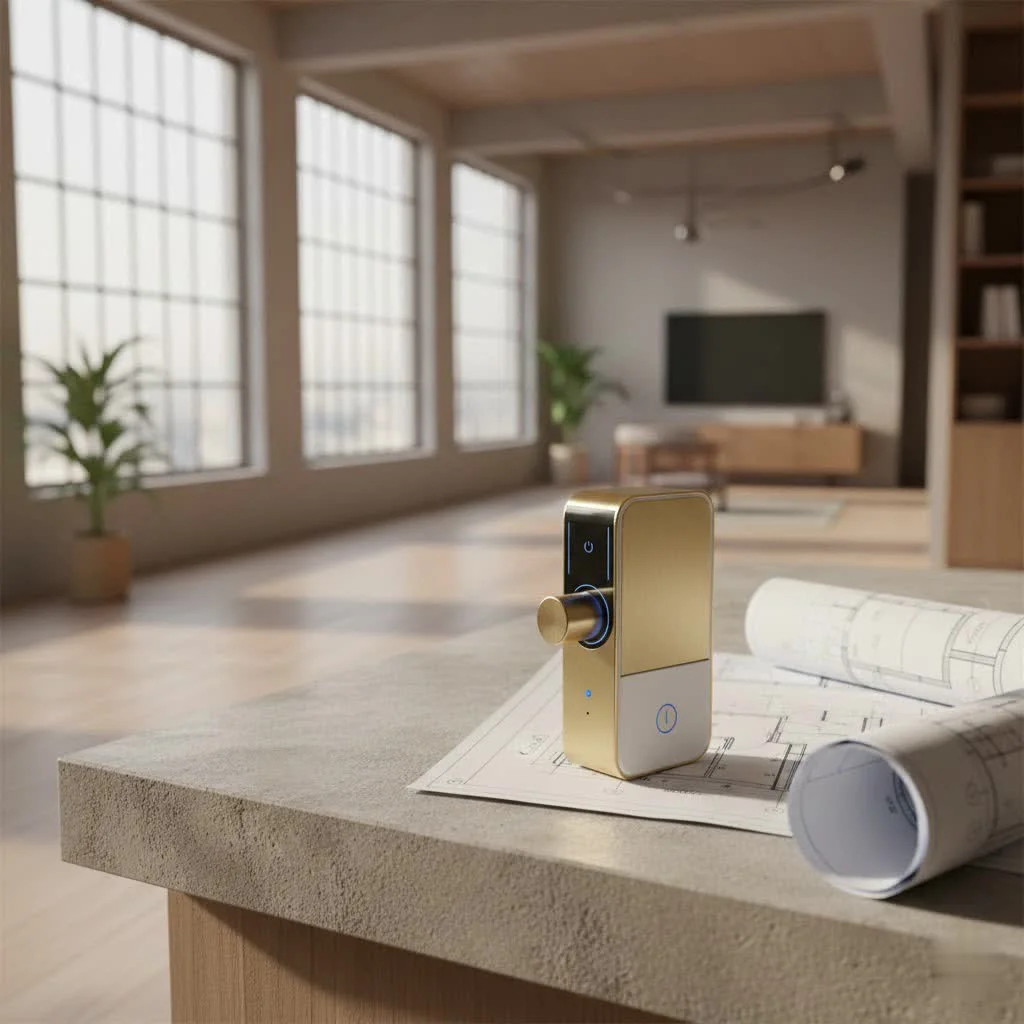
Why a Smart House Lock is a major upgrade for Home Security
Imagine a world where fumbling for keys is a distant memory, where you can grant access to a trusted friend from miles away, and where your door actively informs you of its status. This isn’t science fiction; it’s the reality a smart house lock delivers. For shop curated smart home on this site.
Beyond the Traditional Key: Unrivaled Convenience
The sheer convenience offered by a smart house lock is often the primary motivator for homeowners making the switch.
- Keyless Entry Options: Wave goodbye to bulky keychains. Most smart house locks offer multiple keyless entry methods. This could be a personalized code on a sleek keypad, a quick scan of your fingerprint, or even simply using an app on your smartphone or smartwatch. Some advanced models even boast facial recognition or Apple Home Key integration, making entry effortless.
- Remote Access and Control: Ever leave home and wonder if you locked the door? With a Wi-Fi-enabled smart house lock, you can check its status and lock or unlock it from anywhere in the world using your smartphone. This is a lifesaver for last-minute checks or when you need to let someone in unexpectedly.
- Temporary Guest Access: Managing access for housekeepers, pet sitters, or visiting family is a breeze. You can create unique, temporary access codes that are valid for specific times or durations, giving you complete control without handing out physical keys. Once their access window expires, the code automatically becomes invalid.
Fortifying Your Front Door: Enhanced Security Features
Beyond convenience, the core mission of any smart house lock is to bolster your home’s security. These devices come packed with features designed to keep unwanted visitors out and give you a comprehensive overview of your door’s activity.
- Real-time Monitoring and Alerts: Your smart house lock can provide instant notifications to your phone whenever someone locks or unlocks the door, or if there’s any suspicious activity. This real-time insight means you’re always in the know about who’s coming and going.
- Tamper Alarms and Detection: Many smart house locks include built-in sensors that detect forced entry attempts or tampering. If someone tries to pick the lock or damage the unit, an alarm can sound, and you’ll receive an immediate alert, giving you precious time to respond.
- Integration with Smart Home Security Systems: A smart house lock doesn’t have to work in isolation. It can seamlessly integrate with your existing smart home ecosystem, whether it’s Amazon Alexa, Google Assistant, Apple HomeKit, or Samsung SmartThings. This allows for powerful automation, like having your lights turn on when the door unlocks or triggering a security camera recording upon entry.
- Robust Security Ratings: Don’t let the “smart” aspect overshadow the “lock” part. High-quality smart house locks meet rigorous industry standards, often boasting ANSI/BHMA (Builders Hardware Manufacturers Association) grades that indicate their resistance to forced entry, durability, and operational security. Always look for Grade 1 or Grade 2 ratings for residential use.
Choosing the Right Smart House Lock: What to Look For
Selecting the perfect smart house lock can feel like navigating a maze of options. As an expert, I’ve distilled the key considerations to help you make an informed decision that aligns with your home’s needs and your lifestyle.
Compatibility is Key: Ensuring a Perfect Fit
|
Our Picks for the Best Smart Lock in 2026
As an Amazon Associate I earn from qualifying purchases.
|
||
| Num | Product | Action |
|---|---|---|
| 1 | ULTRALOQ U-Bolt Pro WiFi Smart Lock with Door Sensor, 8-in-1 Keyless Entry Door Lock with Fingerprint ID, App Remote Control, Built-in WiFi Keypad Deadbolt, Auto Unlock, IP65 Waterproof, Easy Install |

|
| 2 | Wyze Palm Lock, Smart Door Lock with Palm Vein Recognition, Keyless Entry Smart Locks for Front Door, Keypad, Auto Lock, Dual Battery, Wi-Fi, Works with Alexa & Google, BHMA, IP53, Mechanical Key |
|
| 3 | Yale Security Assure Lock 2 Deadbolt, Black Suede Keyed Smart Entry Door Lock with Wi-Fi Connected Keypad for Code Entry and Remote Access, YRD410-WF1-BSP |
|
| 4 | Tapo Smart Wi-Fi Deadbolt Door Lock – Keyless Tactile Buttons, Customized Access with in-App Monitoring, Auto-Lock, IP54 Weatherproof, BHMA Grade 3, Compatible with Standard Door Sizes, Tapo DL100 |
|
| 5 | LOCKSTAR® Smart Door Lock • Keyless Entry Deadbolt Door Lock • Multiple Entry Methods – APP • Fingerprint Touch ID • Keypad Code • Card FOB • Traditional Key • Smart Home Devices |
|
| 6 | Video Smart Lock S398, 4-in-1 Camera + Video Doorbell + Fingerprint Keyless Door Lock + Indoor Display Monitor, Smart WiFi Deadbolt, App Remote Control, Easy Installation, Chime Included |
|
| 7 | TEEHO TE001 Keyless Entry Door Lock with Keypad - Smart Deadbolt Lock for Front Door with 2 Keys - Auto Lock - Easy Installation - Satin Nickel |
|
| 8 | 3D Face Recognition Smart Door Lock with Lock Body, Fingerprint/Ic Card/Password/Key Unlocked/Camera and Doorbell/Tuya WiFi App/Night Vision/Door Opening Record/Photo/Anti-Prying Alarm. |
|
| 9 | Smart Door Handle Lock with Keypad: Yamiry Fingerprint Smart Knob - Keyless Entry Digital Lock for Front Door - Deadbolt with APP - Generate Passcode Remotely - DIY Installation |
|
| 10 | ULTRALOQ Bolt Smart Lock, Built-in Wi-Fi, Matter Over Thread, Works with Apple Home, Alexa, Google, 7-in-1 Keyless Entry Deadbolt with Fingerprint ID, App, Keypad, Remote Control, 18 Months Battery |
|
Before you fall in love with a particular model, ensure it’s compatible with your door.
- Door Type, Thickness, and Backset: Most smart locks are designed for standard residential doors, typically between 1 ⅜” and 2 ¼” thick. You’ll also need to measure your door’s backset – the distance from the edge of the door to the center of the deadbolt bore hole (usually 2 ⅜” or 2 ¾”).
- Existing Deadbolt vs. Full Replacement vs. Retrofit: Some smart locks are full replacements, meaning they swap out your entire existing deadbolt. Others are “retrofit” models that install over your current deadbolt, allowing you to keep your existing keys as a backup. There are pros and cons to each, impacting installation complexity and aesthetics.
Connectivity Options: Wi-Fi, Bluetooth, Z-Wave, Matter
How your smart house lock communicates with your phone and other smart devices is crucial for its functionality.
- Wi-Fi: Offers direct internet connection, enabling remote access without a separate hub. Can consume more battery.
- Bluetooth: Connects directly to your phone when you’re within range. Excellent for local control and energy efficiency, but requires a bridge for remote access.
- Z-Wave/Zigbee: Low-power wireless protocols often used in smart home hubs. They create a mesh network, extending range and reliability, but require a compatible hub.
- Matter: The newest standard aiming for universal compatibility, simplifying device connection across different ecosystems.
Consider your existing smart home setup. If you’re already invested in a particular ecosystem (like Apple HomeKit or Google Home), choose a lock that offers seamless integration.
Access Methods: Tailoring to Your Lifestyle
The beauty of smart house locks lies in their versatile access options.
- Keypad: A classic for code-based entry, great for family and temporary guests. Look for backlit keypads for night visibility.
- Fingerprint Reader: Fast, secure, and convenient. Ideal for hands-free entry and eliminating the need to codes.
- Smartphone App: Control your lock directly from your device, offering advanced features and remote management.
- Voice Control: Integrate with smart assistants like Alexa or Google Assistant for hands-free locking/unlocking.
- Facial Recognition: The modern of convenience, though often found in higher-end models.
- Traditional Key Backup: A crucial safety net. Always ensure your smart house lock has a physical key override, just in case of battery failure or electronic malfunction.
Power and Battery Life: Staying Online
Most smart house locks run on standard AA or AAA batteries.
- Battery Types and Life: High-quality alkaline batteries are generally recommended. Battery life varies widely depending on usage and features, often lasting from 6 months to a year.
- Low Battery Alerts: Essential for preventing lockouts. Most locks will alert you via their app or on the device itself when batteries are running low.
- Emergency Power Options: Some locks offer a port for a 9V battery or a micro-USB connection to temporarily power the lock and gain entry if the main batteries die.
Security Standards and Durability
A lock’s primary job is to be robust.
- BHMA Grades: Look for locks with a BHMA Grade 1 or 2 rating, indicating high standards for security, durability, and finish.
- Build Materials: Locks made from high-quality metals like brass, bronze, or steel will offer superior physical security and longevity compared to those with plastic components.
Installing Your Smart House Lock: A Step-by-Step Walkthrough
Installing a smart house lock might seem daunting, but for most DIY enthusiasts, it’s a manageable project that typically takes less than an hour. Having installed countless units over the years, I can tell you that preparation is half the battle.
Pre-Installation Checklist: Get Ready!
Before you even grab a screwdriver, a little preparation goes a long way.
- Tools Needed: You’ll typically only require a Phillips head screwdriver, a flathead screwdriver, and possibly a measuring tape and pencil. Some installations might benefit from a hammer for the strike plate.
- Door Measurements: Double-check your door’s thickness and backset to ensure it matches your new smart house lock’s specifications. This prevents headaches down the line.
- Smart Lock Kit: Unpack your new lock and make sure all components are present, including the deadbolt, exterior and interior plates, screws, and batteries.
Removing Your Old Lock
This is usually the simplest part.
- Unscrew the Interior Thumb-Turn: On the inside of your door, locate and remove the screws holding the thumb-turn mechanism.
- Remove the Exterior Keyhole: Once the interior piece is off, the exterior keyhole component should slide out easily.
- Extract the Deadbolt Mechanism: Finally, remove the deadbolt itself from the edge of the door.
Installing the Smart Lock Hardware
Now for the new hardware!
- Insert the New Deadbolt: Slide the new smart lock’s deadbolt into the door’s edge hole. Ensure it’s oriented correctly (often marked “UP”) and moves smoothly. Secure it with the provided screws.
- Mount the Exterior Keypad/Reader: Align the smart lock’s exterior panel (keypad or fingerprint module) with the deadbolt. If there’s any wiring, route it according to the manufacturer’s instructions.
- Attach the Interior Mounting Plate: On the inside of the door, connect any necessary wiring from the exterior panel, then attach the interior mounting plate and secure it with screws.
- Connect Battery Pack and Interior Cover: Insert the batteries into the designated compartment, connect the interior cover, and secure it.
Bringing it to Life: App Configuration and Testing
The physical installation is just the first step; now it’s time to make it smart!
- Download the Manufacturer’s App: Search for your smart lock’s official app on the App Store or Google Play.
- Pair Your Lock: Follow the in-app instructions to pair your smart house lock via Bluetooth or connect it to your Wi-Fi network. This usually involves a few simple steps.
- Create Entry Codes and Users: Set up your primary access codes, add fingerprints (if applicable), and create temporary codes for guests.
- Test Functionality: Thoroughly test all locking and unlocking methods – keypad, app, physical key – to ensure everything is working smoothly and correctly. Check for auto-lock features and tamper alerts.
Maintaining Your Smart House Lock for Peak Performance
Even the most advanced technology benefits from a little TLC. Regular maintenance ensures your smart house lock remains reliable, secure, and extends its lifespan, saving you from frustrating issues down the road.
Simple Habits for Longevity
Adopting a few easy maintenance habits can make a huge difference.
- Regular Cleaning: Dust, grime, and fingerprints can accumulate on keypads and sensors, affecting performance. Wipe the exterior with a soft, dry cloth weekly. For keypads, a microfiber cloth is best. If your lock has a physical keyhole, a quick blast of compressed air can clear debris. Avoid harsh chemicals that can damage the finish or electronics.
- Battery Checks and Replacement Schedule: Most smart house locks rely on batteries. Establish a routine to check battery levels, perhaps every 3-6 months, and proactively replace them. Don’t wait for the “low battery” alert to become a “dead battery” situation! Keep spare high-quality alkaline batteries on hand.
- Firmware and Software Updates: Just like your smartphone, smart house locks receive firmware updates to improve security, functionality, and fix bugs. Enable automatic updates in the app if available, or regularly check for new versions. Keeping your software current is crucial for protecting against potential vulnerabilities.
- Inspecting Hardware: Periodically inspect the physical components of your lock. Check for any loose screws, signs of wear, or damage. Ensure the deadbolt extends and retracts smoothly without any stiffness. If you notice any issues, address them promptly.
Troubleshooting Common Smart Lock Issues
Even with the best maintenance, sometimes things go awry. Here are common problems and how to tackle them.
- Connectivity Problems (Wi-Fi, Bluetooth): If your app isn’t connecting to your smart house lock, first ensure your home Wi-Fi is working. Try restarting your Wi-Fi router and the smart lock itself (often by temporarily removing and reinserting batteries). Make sure your phone’s Bluetooth is on and you’re within range for Bluetooth-only locks.
- Unresponsive Lock: If the smart house lock isn’t responding to commands from the app or keypad, a simple reset (often a quick battery pull or a dedicated reset button) can clear temporary glitches. If that fails, consult the manufacturer’s guide for a factory reset, though this will erase all settings.
- Rapid Battery Drain: If you’re constantly changing batteries, check if power-hungry features (like frequent polling or certain integrations) are enabled unnecessarily. Ensure you’re using high-quality batteries. Extreme temperatures can also affect battery performance.
- Mechanical Issues (Jams, Stiffness): If the deadbolt mechanism feels stiff or jams, inspect for any physical obstructions. A small amount of graphite lubricant (never oil-based sprays!) applied to the internal mechanism can help, but avoid over-lubrication. Ensure the strike plate on your door frame is properly aligned with the deadbolt.
JTDNC’s Insights: The Future of Your Front Door
From my vantage point as a seasoned expert in smart home security, the “smart house lock” isn’t just a trend; it’s the new benchmark for modern living. We’re seeing innovations rapidly enhance both convenience and security. As Mr. Arthur Miller, our Chief Security Architect at JTDNC, often says, “A truly smart home starts with an intelligent entrance. Investing in a robust smart house lock is not just about convenience; it’s about embedding a layer of proactive security that evolves with your lifestyle.”
The best smart house locks seamlessly integrate into your daily routine, offering peace of mind through features like personalized access, real-time alerts, and robust physical protection. When considering an upgrade, think about your specific needs: are you an Apple HomeKey enthusiast, or do you need simple keypad access for a bustling family? Understanding these nuances will guide you to the perfect solution.
Frequently Asked Questions (FAQ)
Q1: How long do smart lock batteries last?
A1: Smart lock battery life varies based on usage, features, and battery quality, but typically ranges from 6 months to a year. Locks with frequent Wi-Fi activity or motorized deadbolts may drain batteries faster.
Q2: Can smart locks be hacked?
A2: While no system is 100% impervious, reputable smart house locks employ strong encryption and security protocols to prevent hacking. Keeping firmware updated and using strong, unique passcodes significantly reduces risks.
Q3: Do smart locks work without Wi-Fi?
A3: Many smart locks offer local control via Bluetooth or keypad entry even without Wi-Fi. However, remote access, real-time alerts, and smart home integrations typically require a Wi-Fi connection or a compatible hub.
Q4: What’s the difference between a retrofit and a full replacement smart lock?
A4: A full replacement smart lock replaces your entire existing deadbolt. A retrofit smart lock installs over your existing deadbolt on the interior side of the door, allowing you to keep your traditional exterior key cylinder.
Q5: How often should I update my smart lock’s firmware?
A5: You should update your smart house lock’s firmware as soon as updates are available. These updates often include security patches, bug fixes, and performance enhancements that are crucial for optimal and secure operation.
Q6: Can I use my old key with a smart lock?
A6: If you choose a retrofit smart lock, you can often continue to use your original physical key. Full replacement smart locks, however, will typically come with new keys for manual override.
Your Home Deserves Smarter Security
Embracing a smart house lock is more than just an upgrade; it’s a step towards a more secure, convenient, and connected way of living. From simplifying daily access to providing advanced security monitoring, these intelligent devices empower you to take control of your home’s entry points like never before. At JTDNC.com, we’re committed to guiding you through every step, from selecting the ideal smart house lock to mastering its features and ensuring its long-term performance. Unlock the full potential of your home’s security today and experience the peace of mind that comes with true smart living. Share your smart lock journey with us – we’re always eager to hear how our community is making their homes smarter and safer!
Frequently Asked Questions
How long do smart lock batteries typically last?
Smart lock battery life generally ranges from 6 months to a year, depending on usage frequency, enabled features like Wi-Fi connectivity, and the quality of the batteries used. Locks with frequent motorized deadbolt activity or constant Wi-Fi polling tend to drain batteries faster.
Are smart house locks vulnerable to hacking attempts?
Reputable smart house locks are designed with strong encryption and security protocols to minimize hacking risks, though no system is entirely impervious. Users can significantly reduce vulnerabilities by keeping firmware updated and using strong, unique passcodes for all access methods.
Can smart locks function without an active Wi-Fi connection?
Many smart locks retain local functionality, such as keypad entry or Bluetooth control, even without a Wi-Fi connection. However, features like remote access, real-time notifications, and integration with broader smart home systems typically require a stable Wi-Fi connection or a compatible smart home hub.
What is the difference between a retrofit and a full replacement smart lock?
A full replacement smart lock completely replaces your existing deadbolt, often requiring new keys for manual override. In contrast, a retrofit smart lock installs over your current deadbolt on the interior side of the door, allowing you to retain and use your traditional exterior key cylinder as a backup.
How often should I update my smart lock's firmware for security?
You should update your smart house lock's firmware as soon as new versions become available from the manufacturer. These updates are crucial as they often include vital security patches, bug fixes, and performance enhancements that ensure optimal and secure operation of the device.
Do smart locks always come with a traditional key backup?
Most high-quality smart house locks include a traditional physical key override as a crucial safety net. This allows manual entry in cases of battery failure or electronic malfunction, ensuring you are never locked out of your home.
Install a Smart House Lock
Installing a smart house lock is a straightforward DIY project that typically takes less than an hour, enhancing your home's security and convenience.
Gather necessary tools: Phillips head screwdriver, flathead screwdriver, measuring tape, and pencil. Double-check your door's thickness and backset measurements to ensure compatibility with your new smart lock. Unpack the smart lock kit and confirm all components are present.
Begin by unscrewing and removing the interior thumb-turn mechanism from your door. Next, slide out the exterior keyhole component. Finally, extract the deadbolt mechanism from the edge of the door.
Insert the new smart lock's deadbolt into the door's edge, ensuring correct orientation, and secure it with screws. Align and mount the exterior keypad or fingerprint reader, routing any wiring as per manufacturer instructions. Attach the interior mounting plate, connect wiring, and secure it with screws.
Insert the required batteries (typically AA or AAA) into the designated compartment. Connect the interior cover to the mounting plate and secure it firmly. This completes the physical installation of the smart lock.
Download the manufacturer's official app and follow in-app instructions to pair your smart lock via Bluetooth or Wi-Fi. Create primary access codes, add fingerprints if applicable, and set up temporary guest codes. Thoroughly test all locking and unlocking methods, including keypad, app, and physical key, to ensure full functionality and check for auto-lock features.
Smart home that does not lock you in
Free PDF — protocol compatibility matrix for 30 hubs and devices.

I got a smart house lock mainly for the guest code feature, which works well for when my in-laws visit. However, I’ve had a couple of instances where the app was a bit slow to respond, which is a minor annoyance. Overall, it’s an improvement over my old lock, but the real-time monitoring could be snappier.
The remote access feature on my new smart lock is fantastic. I travel a lot for work, and it’s so convenient to let in a neighbor to water plants without having to leave a spare key under a mat. Integration with my existing smart home system was pretty straightforward too, which was a big plus.
I finally upgraded to a smart house lock after reading about the benefits of keyless entry. It’s been a total game-changer for my family. No more worrying about lost keys, and I love being able to give temporary codes to the dog walker. The peace of mind knowing I can monitor my door’s status from anywhere is incredible.
This smart lock has really enhanced my home security. The tamper alarms are a great addition, making me feel much safer. I also appreciate not having to fumble for keys anymore, especially when my hands are full with groceries. It’s definitely a worthwhile investment for modern home protection.