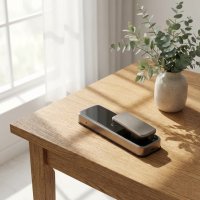
Sliding doors are a beautiful addition to any home, effortlessly blending indoor and outdoor living spaces. They invite natural light and provide convenient access to patios, decks, or gardens. However, these architectural features can also be perceived as vulnerable points in a home’s security perimeter. That’s where a sliding door smart lock comes into play, transforming these entries into fortresses of convenience and cutting-edge protection. As an expert from JTDNC.com with over a decade in smart home security, I’m here to guide you through everything you need to know about integrating these intelligent devices into your home.
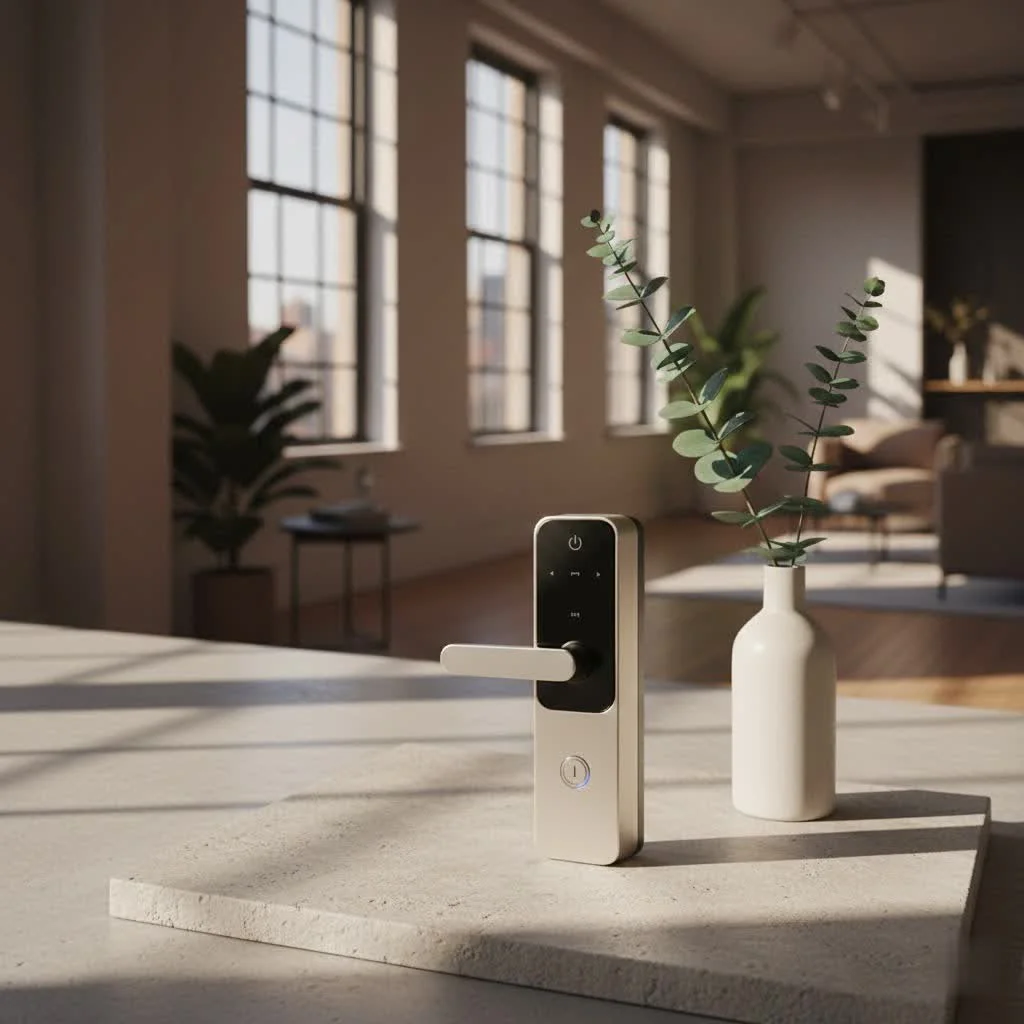
What Exactly is a Sliding Door Smart Lock?
At its core, a sliding door smart lock is an electronic locking mechanism designed specifically for the unique mechanics of sliding doors. Unlike traditional locks that rely solely on a physical key, these innovative devices integrate advanced technology to provide multiple keyless entry options and enhanced security features. Think of it as upgrading your home’s side entrance from a simple deadbolt to a high-tech guardian, always connected and always vigilant.
Why You Need a Smart Lock for Your Sliding Door
The benefits of a sliding door smart lock extend far beyond simply securing your entryway; they enhance your lifestyle and provide unparalleled peace of mind.
Enhanced Security
Sliding doors, particularly older models, can sometimes be easier targets for intruders. A smart lock changes this narrative completely. They often feature advanced encryption protocols, tamper alerts, and robust construction that deter potential threats. Imagine receiving an instant notification on your phone if someone attempts to force open your patio door – that’s the proactive security a smart lock offers.
“Many traditional sliding door locks offer minimal resistance to forced entry,” explains Dr. Evelyn Reed, Lead Security Analyst at JTDNC Labs. “Modern sliding door smart locks leverage advanced materials and digital safeguards, making them significantly more resilient and providing homeowners with superior protection and real-time monitoring capabilities.”
Unmatched Convenience
Tired of fumbling for keys when your hands are full after a grocery run, or worse, losing them entirely? A sliding door smart lock liberates you from physical keys. With multiple access methods, you can grant entry with a tap on your smartphone, a unique PIN code on a keypad, or even your fingerprint. This keyless entry is a game-changer for busy families, pet sitters, or even when you just want to let a friend in without being home.
Seamless Smart Home Integration
The true power of a smart lock for your sliding door shines when it integrates with your existing smart home ecosystem. Most modern smart locks are compatible with popular platforms like Amazon Alexa and Google Home, allowing for voice-controlled locking and unlocking. You can set up automated routines, such as having your sliding door lock automatically when you leave the house or when bedtime rolls around, ensuring your home is always secure without a second thought.
Types of Sliding Door Smart Locks: Finding Your Perfect Match
|
Our Picks for the Best Smart Lock in 2026
As an Amazon Associate I earn from qualifying purchases.
|
||
| Num | Product | Action |
|---|---|---|
| 1 | ULTRALOQ Bolt Smart Lock, Built-in Wi-Fi, Matter Over Thread, Works with Apple Home, Alexa, Google, 7-in-1 Keyless Entry Deadbolt with Fingerprint ID, App, Keypad, Remote Control, 18 Months Battery |

|
| 2 | Yale Security Assure Lock 2 Deadbolt, Black Suede Keyed Smart Entry Door Lock with Wi-Fi Connected Keypad for Code Entry and Remote Access, YRD410-WF1-BSP |
|
| 3 | Smart Door Handle Lock with Keypad: Yamiry Fingerprint Smart Knob - Keyless Entry Digital Lock for Front Door - Deadbolt with APP - Generate Passcode Remotely - DIY Installation |
|
| 4 | 3D Face Recognition Smart Door Lock with Lock Body, Fingerprint/Ic Card/Password/Key Unlocked/Camera and Doorbell/Tuya WiFi App/Night Vision/Door Opening Record/Photo/Anti-Prying Alarm. |
|
| 5 | Video Smart Lock S398, 4-in-1 Camera + Video Doorbell + Fingerprint Keyless Door Lock + Indoor Display Monitor, Smart WiFi Deadbolt, App Remote Control, Easy Installation, Chime Included |
|
| 6 | LOCKSTAR® Smart Door Lock • Keyless Entry Deadbolt Door Lock • Multiple Entry Methods – APP • Fingerprint Touch ID • Keypad Code • Card FOB • Traditional Key • Smart Home Devices |
|
| 7 | ULTRALOQ U-Bolt Pro WiFi Smart Lock with Door Sensor, 8-in-1 Keyless Entry Door Lock with Fingerprint ID, App Remote Control, Built-in WiFi Keypad Deadbolt, Auto Unlock, IP65 Waterproof, Easy Install |
|
| 8 | Tapo Smart Wi-Fi Deadbolt Door Lock – Keyless Tactile Buttons, Customized Access with in-App Monitoring, Auto-Lock, IP54 Weatherproof, BHMA Grade 3, Compatible with Standard Door Sizes, Tapo DL100 |
|
| 9 | TEEHO TE001 Keyless Entry Door Lock with Keypad - Smart Deadbolt Lock for Front Door with 2 Keys - Auto Lock - Easy Installation - Satin Nickel |
|
| 10 | Wyze Palm Lock, Smart Door Lock with Palm Vein Recognition, Keyless Entry Smart Locks for Front Door, Keypad, Auto Lock, Dual Battery, Wi-Fi, Works with Alexa & Google, BHMA, IP53, Mechanical Key |
|
Choosing the right smart lock means understanding the variety available, especially considering the diverse designs of sliding doors.
Based on Door Type
Not all sliding doors are created equal, and neither are their smart locks.
- Frameless Glass Sliding Doors: These often require clamp-on or adhesive-based solutions that don’t necessitate drilling into the glass.
- Framed Glass Sliding Doors: These are more versatile, often accommodating locks that mount directly onto the frame, similar to traditional deadbolts but adapted for sliding motion.
- Wooden Sliding Doors: These can typically support a wider range of smart lock styles, including those that replace existing handle sets or add auxiliary locking points.
Always check the product’s compatibility with your specific door type and material. The right fit is crucial for both security and functionality.
Based on Access Method
The way you interact with your sliding door smart lock is a key consideration for your daily routine.
- Fingerprint Recognition: For lightning-fast entry, a biometric fingerprint scanner is hard to beat. Just a touch, and you’re in! Many models can store multiple fingerprints, perfect for family members.
- Digital Keypads: These allow you to set unique PIN codes for different users. You can even generate temporary codes for guests or service providers, expiring after a set period.
- Smartphone Apps (Bluetooth/Wi-Fi): Your smartphone becomes your key. With a dedicated app, you can lock and unlock your door from anywhere, view activity logs, and manage user access. Bluetooth is great for close-range control, while Wi-Fi connectivity offers remote access from across town or the globe.
- Voice Control: Integrate your lock with smart assistants like Alexa or Google Home for hands-free convenience. “Alexa, lock the patio door” becomes a common phrase.
- Physical Key Override: Even with all the tech, a good old physical key backup is an essential safety net, ensuring access even during power outages or system malfunctions.
Essential Features to Look For in a Sliding Door Smart Lock
When you’re ready to make the leap, consider these crucial features to ensure you get the best sliding door smart lock for your needs:
- Battery Life and Power Source: Smart locks are typically battery-powered. Look for models with long battery life (often 6-12 months) and clear indicators for low battery warnings. Some experts recommend lithium batteries for optimal performance, especially in colder climates.
- Wireless Connectivity: Decide whether Bluetooth (for local control) or Wi-Fi (for remote access) is paramount. Many Wi-Fi locks use a bridge or hub for connectivity, so factor that into your setup. Z-Wave and Zigbee are other popular protocols for integrating with broader smart home systems.
- Auto-Lock Functionality: Forgetting to lock up is a thing of the past. An auto-lock feature can automatically secure your door after a set period, giving you one less thing to worry about.
- Tamper Alerts and Activity Logs: These features provide an extra layer of security. Tamper alerts notify you if someone tries to force the lock, while activity logs show you who entered and exited, and when.
- Durability and Weather Resistance: Since sliding doors often lead to outdoor spaces, ensure your smart lock can withstand the elements, especially if it’s exposed to rain, sun, or extreme temperatures. Look for appropriate IP ratings.
Installation: DIY or Professional?
Installing a sliding door smart lock can range from a straightforward DIY project to one that might require a professional touch, depending on the lock’s design and your door’s existing setup.
For many smart locks, the process involves:
- Removing Your Old Lock: Carefully detach the existing lock and any associated hardware.
- Installing the New Deadbolt/Mechanism: Insert the smart lock’s specialized deadbolt or locking mechanism into the door frame. This step can sometimes be tricky with sliding doors, requiring careful alignment or minor modifications to the frame to ensure smooth operation.
- Mounting the Exterior and Interior Panels: Attach the keyless entry pad or fingerprint reader to the exterior and the battery/electronics housing to the interior. This usually involves routing wires and securing plates.
- Configuration: Download the manufacturer’s app, pair the lock via Bluetooth or Wi-Fi, and set up your PIN codes, fingerprints, and smart home integrations.
While some basic installations are quite DIY-friendly, sliding doors can present unique challenges, such as ensuring proper clearance for the lock mechanism or adapting to thin door frames. If you’re not comfortable working with minor modifications or electrical components, don’t hesitate to consult a professional installer. They can ensure the lock is correctly fitted and configured for optimal security and functionality.
Maximizing the Lifespan and Performance of Your Smart Lock
Just like any other piece of advanced technology, your sliding door smart lock benefits from a little care and attention to keep it running smoothly.
- Regular Cleaning: For fingerprint readers especially, a quick wipe with a microfiber cloth periodically can prevent dust and grime buildup from affecting recognition accuracy.
- Battery Maintenance: Replace batteries proactively when low battery warnings appear. Using high-quality, long-lasting batteries is a small investment that pays off in reliability.
- Software Updates: Keep your lock’s firmware updated through the accompanying app. Manufacturers frequently release updates that improve security, add new features, and enhance performance.
- Re-calibrating/Re-scanning Fingerprints: Over time, skin changes or minor shifts in the lock’s sensor could make fingerprint recognition less efficient. Re-scanning fingerprints every 6-12 months can ensure consistent, fast access.
Frequently Asked Questions about Sliding Door Smart Locks
Q: Can I use any smart lock on a sliding door?
A: No, not all smart locks are designed for sliding doors. Standard smart locks are typically made for traditional swing doors with deadbolts. You need a smart lock specifically designed or adapted for the unique mechanism and structure of a sliding door, such as those that latch or use a bolt specifically for sliding motion.
Q: Are sliding door smart locks truly secure?
A: Yes, reputable sliding door smart locks offer robust security. They combine strong physical construction with advanced digital security features like encryption, tamper alerts, and activity logs, often surpassing the security of basic traditional locks.
Q: What’s the best way to power them?
A: Most sliding door smart locks are battery-powered, typically using AA batteries. Look for models with long battery life and ensure you replace batteries promptly when low warnings appear. Some high-end models might offer wired options, but battery power is the most common and convenient.
Q: Do they work with all smart home systems?
A: Many smart locks offer broad compatibility with popular smart home platforms like Amazon Alexa, Google Home, Apple HomeKit, Z-Wave, and Zigbee. Always check the product specifications to ensure it integrates seamlessly with your existing smart home ecosystem.
Q: What happens if the battery dies?
A: Most smart locks include a physical key override, allowing you to unlock the door manually if the batteries die or if there’s a system malfunction. Some also have external terminals for a 9V battery jump-start to provide temporary power for keypad entry.
The Smart Choice for Modern Homes
Embracing a sliding door smart lock isn’t just about adopting new technology; it’s about upgrading your lifestyle with unparalleled security, convenience, and peace of mind. As your trusted guide at JTDNC.com, I firmly believe that these intelligent devices are a worthy investment for any modern home. Say goodbye to lost keys and hello to seamless, secure access. Explore the possibilities and make your sliding door a smart and sophisticated entryway today!
Smart home that does not lock you in
Free PDF — protocol compatibility matrix for 30 hubs and devices.