The world of home security has come a long way from simply turning a key. Today, we’re stepping into an era where our doors don’t just lock; they think, connect, and protect in ways we once only dreamed of. If you’ve been curious about upgrading your home’s entry system, understanding the capabilities of a smart latch lock is your next crucial step. At JTDNC, we believe in empowering homeowners with the knowledge to make informed decisions, transforming complex technical details into clear, actionable insights.
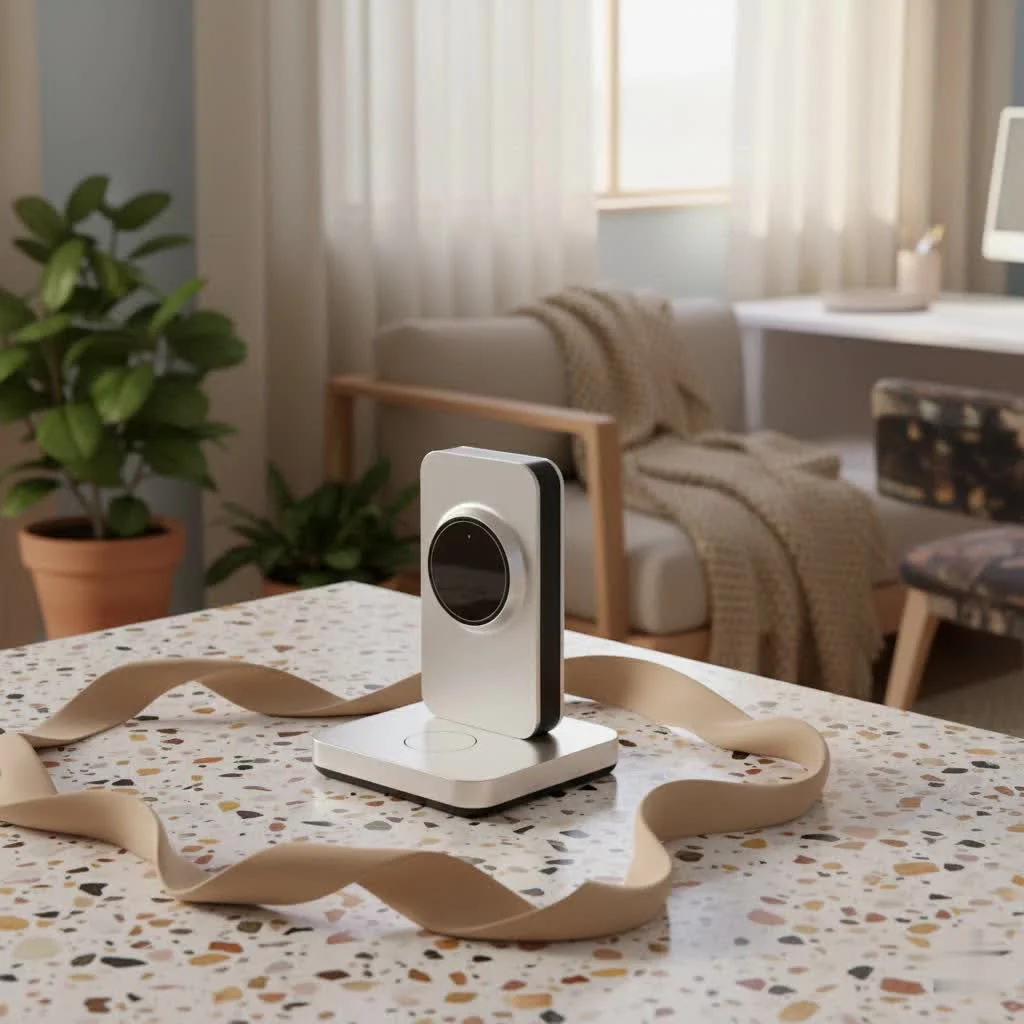
A smart latch lock isn’t just a gadget; it’s a fundamental shift in how we interact with our homes, offering a blend of unparalleled convenience, robust security, and seamless integration into your smart ecosystem. This comprehensive guide, crafted from over a decade of hands-on experience in smart home security, will walk you through everything you need to know about these innovative devices, helping you confidently choose, install, and maintain the perfect smart latch lock for your sanctuary.
What Exactly is a Smart Latch Lock? Unlocking Modern Security
At its core, a smart latch lock takes the familiar mechanical latch mechanism – the spring-loaded bolt found in most door handles or knobs – and integrates advanced electronic controls. Think of it as your everyday door latch, but with a serious brain upgrade. Instead of relying solely on a physical key or a simple turn of the knob, a smart latch lock allows you to engage or disengage the locking mechanism through various electronic methods.
How does this magic happen? These locks contain sophisticated electronic components that communicate wirelessly with your smartphone, smart home hub, or other devices. When you send a command – be it a tap on your phone, a fingerprint scan, or a spoken instruction to your smart assistant – the lock receives an encrypted signal. This signal then activates a small motor or solenoid inside the lock, retracting or extending the latch bolt. This digital key provides a new layer of control and flexibility that traditional latches simply cannot offer, transforming basic entry into a truly intelligent experience.
Why a Smart Latch Lock is a Game Changer for Your Home Security
Adopting a smart latch lock for your home isn’t just about keeping up with trends; it’s about embracing a lifestyle where convenience and security coexist effortlessly. From busy families to remote workers, these devices offer tangible benefits that redefine peace of mind.
Unparalleled Convenience and Keyless Access
|
Our Picks for the Best Smart Lock in 2026
As an Amazon Associate I earn from qualifying purchases.
|
||
| Num | Product | Action |
|---|---|---|
| 1 | TEEHO TE001 Keyless Entry Door Lock with Keypad - Smart Deadbolt Lock for Front Door with 2 Keys - Auto Lock - Easy Installation - Satin Nickel |

|
| 2 | Yale Security Assure Lock 2 Deadbolt, Black Suede Keyed Smart Entry Door Lock with Wi-Fi Connected Keypad for Code Entry and Remote Access, YRD410-WF1-BSP |
|
| 3 | Video Smart Lock S398, 4-in-1 Camera + Video Doorbell + Fingerprint Keyless Door Lock + Indoor Display Monitor, Smart WiFi Deadbolt, App Remote Control, Easy Installation, Chime Included |
|
| 4 | Tapo Smart Wi-Fi Deadbolt Door Lock – Keyless Tactile Buttons, Customized Access with in-App Monitoring, Auto-Lock, IP54 Weatherproof, BHMA Grade 3, Compatible with Standard Door Sizes, Tapo DL100 |
|
| 5 | ULTRALOQ U-Bolt Pro WiFi Smart Lock with Door Sensor, 8-in-1 Keyless Entry Door Lock with Fingerprint ID, App Remote Control, Built-in WiFi Keypad Deadbolt, Auto Unlock, IP65 Waterproof, Easy Install |
|
| 6 | Smart Door Handle Lock with Keypad: Yamiry Fingerprint Smart Knob - Keyless Entry Digital Lock for Front Door - Deadbolt with APP - Generate Passcode Remotely - DIY Installation |
|
| 7 | 3D Face Recognition Smart Door Lock with Lock Body, Fingerprint/Ic Card/Password/Key Unlocked/Camera and Doorbell/Tuya WiFi App/Night Vision/Door Opening Record/Photo/Anti-Prying Alarm. |
|
| 8 | LOCKSTAR® Smart Door Lock • Keyless Entry Deadbolt Door Lock • Multiple Entry Methods – APP • Fingerprint Touch ID • Keypad Code • Card FOB • Traditional Key • Smart Home Devices |
|
| 9 | ULTRALOQ Bolt Smart Lock, Built-in Wi-Fi, Matter Over Thread, Works with Apple Home, Alexa, Google, 7-in-1 Keyless Entry Deadbolt with Fingerprint ID, App, Keypad, Remote Control, 18 Months Battery |
|
| 10 | Wyze Palm Lock, Smart Door Lock with Palm Vein Recognition, Keyless Entry Smart Locks for Front Door, Keypad, Auto Lock, Dual Battery, Wi-Fi, Works with Alexa & Google, BHMA, IP53, Mechanical Key |
|
Let’s face it, scrambling for keys in the rain or fumbling with a bulky keychain is a relic of the past. A smart latch lock liberates you from physical keys entirely, offering a multitude of keyless entry options. Imagine unlocking your door with a simple tap on your smartphone, a quick scan of your fingerprint, a personalized code on a keypad, or even through voice commands to your smart home assistant. It’s a game-changer for daily life.
“The biggest ‘aha!’ moment for our clients is realizing they no longer have to worry about lost keys or making copies,” notes John T. Dawson, lead security architect at JTDNC. “The sheer convenience of managing access from anywhere is revolutionary.”
Beyond personal use, temporary access codes are a lifesaver. Need to let a dog walker in while you’re at work, or a cleaning service while you’re on vacation? Simply issue a time-limited or single-use code from your phone. No more hiding spare keys under flowerpots!
Bolstering Your Home’s Defenses
While a traditional latch provides basic closure, a smart latch lock significantly bolsters your home’s defenses through digital enhancements. Many smart latch locks incorporate advanced encryption protocols, making them incredibly difficult to digitally compromise. They often include tamper alerts, notifying your smartphone instantly if someone attempts to force or pick the lock. This proactive notification gives you precious time to react.
Furthermore, these locks often keep an audit trail, allowing you to see exactly who entered and exited your home, and when. This feature is invaluable for monitoring activity, especially for families with children or properties with frequent visitors. While the physical strength of a latch might not match a heavy-duty deadbolt, the digital intelligence of a smart latch lock adds a formidable layer of security that traditional mechanical latches simply can’t compete with.
Seamless Smart Home Integration
One of the most exciting aspects of smart latch locks is their ability to integrate effortlessly with your existing smart home ecosystem. Whether you use Apple HomeKit, Google Home, Amazon Alexa, or Samsung SmartThings, a compatible smart latch lock can become a central part of your automated routines.
Picture this: as you leave for work, your “Goodbye” routine not only locks your smart latch lock but also turns off your lights, adjusts the thermostat, and arms your security system. When you return, your “Welcome Home” routine unlocks the door, illuminates the entryway, and sets the perfect ambiance. This level of interconnectedness transforms your home from a collection of devices into a truly intelligent and responsive living space.
Navigating the Market: Key Features to Prioritize in a Smart Latch Lock
With a growing array of smart latch locks available, choosing the right one can feel daunting. As seasoned experts, we recommend focusing on these key features to ensure you pick a device that truly meets your needs and enhances your home security.
- Diverse Access Methods: Look for locks offering multiple ways to unlock. Keypads for guests or family, fingerprint readers for quick, secure entry, smartphone app control for remote management, and a physical key override for emergencies are all highly desirable. The more options, the better your flexibility.
- Reliable Connectivity: How the lock communicates is crucial.
- Wi-Fi: Allows for remote access and control from anywhere with an internet connection.
- Bluetooth: Provides local control when you’re within range, often used for initial setup or when Wi-Fi isn’t available.
- Zigbee/Z-Wave: These protocols are excellent for integrating into larger smart home ecosystems, creating a more cohesive network with lower power consumption.
- Exceptional Battery Life: Since most smart latch locks are battery-powered, longevity is key. Look for models boasting at least 6-12 months of battery life and, crucially, a clear low-battery warning system. This prevents unexpected lockouts.
- Durability and Weather Resistance: Your front door lock faces the elements daily. Ensure the lock has a high IP rating for water and dust resistance, especially if it’s exposed to rain or extreme temperatures. Robust construction materials are also essential for physical resilience.
- Aesthetic Appeal: While functionality is paramount, the lock’s design should complement your home’s style. Many modern smart latch locks come in sleek, discreet designs that integrate seamlessly without looking bulky or out of place.
- Security Certifications: Check for certifications like ANSI/BHMA grading, which indicate the lock’s strength, durability, and resistance to forced entry. A higher grade (e.g., Grade 1) signifies superior physical security.
Installation & Setup: Is a Smart Latch Lock a DIY Project?
One of the common questions we hear at JTDNC is whether installing a smart latch lock is a DIY-friendly task. The good news is, for many homeowners, it absolutely can be! Most smart latch locks are designed for straightforward replacement of existing door hardware, requiring only basic tools like a screwdriver and, occasionally, a drill.
Here’s a general overview of what the installation process typically involves:
- Remove Your Old Hardware: Unscrew and detach your existing door knob, handle, and latch.
- Install the New Latch/Deadbolt: Insert the smart lock’s latch mechanism into the door’s edge. This often involves aligning it correctly and securing it with screws.
- Mount Exterior and Interior Panels: Guide any necessary wiring through the door holes, then attach the exterior keypad/fingerprint unit and the interior battery housing/control panel.
- Connect Wiring and Secure: Carefully connect any internal cables and fasten the panels to each other through the door using the provided screws.
- Install Batteries and Cover: Insert the required batteries and secure the battery cover.
- App Setup and Configuration: Download the manufacturer’s app, pair your lock via Bluetooth, and follow the on-screen prompts to connect it to your Wi-Fi network (if applicable), set up user codes, fingerprints, and integrate with your smart home system.
Before you start, always perform a compatibility check. Measure your door’s thickness and the backset (distance from the door edge to the center of the cross bore hole) to ensure the smart latch lock will fit correctly. While many installations are straightforward, if you’re uncomfortable with basic carpentry or electrical work, or if your door requires significant modifications, consulting a professional locksmith or smart home installer is always a wise decision.
Smart Latch Lock vs. Smart Deadbolt: Choosing Your Ideal Entry Point
When discussing smart locks, it’s essential to understand the distinction between a smart latch lock and a smart deadbolt, as they serve different primary security functions. Often, people use “smart lock” as an umbrella term, but knowing the specifics helps you make the best choice for your home.
Understanding the Differences
- The Latch: A traditional door latch is the spring-loaded mechanism typically integrated into your door handle or knob. It’s designed for quick, automatic closure – when you close the door, the latch bolt retracts and then extends into the strike plate, holding the door shut. Its main purpose is convenience and preventing the door from swinging open freely. A smart latch lock electrifies this mechanism, adding keyless entry and remote control, but it fundamentally still operates as a spring-loaded latch.
- The Deadbolt: A deadbolt, in contrast, features a solid, rectangular bolt that is manually thrown into the door frame. Unlike a latch, it doesn’t have a spring mechanism that can be “pushed” back. Its strength lies in its solid construction, providing superior resistance against forced entry, kicking, or prying. A smart deadbolt maintains this robust physical security while adding the convenience of electronic control, remote access, and smart home integration.
When to Choose Which (or Both)
- Smart Latch Lock: These are excellent for interior doors where convenience is paramount, or for exterior doors where you want smart features on your primary entry mechanism and perhaps have a separate deadbolt for enhanced security. They offer fantastic keyless entry and automation for high-traffic doors.
- Smart Deadbolt: For your main entry points, where maximum physical security is non-negotiable, a smart deadbolt is generally recommended. It provides a more robust defense against physical attacks.
- The Hybrid Approach: For the ultimate blend of convenience and security, many homeowners opt for a hybrid setup: a smart latch lock as their primary handle mechanism (for easy daily access) complemented by a separate, robust smart deadbolt (for reinforced security when needed). This combination provides the best of both worlds, offering effortless smart entry for everyday use and powerful protection when you’re away or asleep.
Keeping Your Smart Latch Lock in Top Shape: Maintenance Tips
Like any piece of advanced technology, your smart latch lock will perform best with a little ongoing care. Regular maintenance ensures its longevity, reliability, and continued security.
- Mind Your Batteries: This is perhaps the most critical maintenance item. Smart locks rely on battery power, so always use high-quality alkaline or lithium batteries as recommended by the manufacturer. Pay attention to low-battery warnings and replace them proactively. Keeping a spare set on hand is a smart move.
- Software and Firmware Updates: Manufacturers frequently release updates to improve security, add features, and fix bugs. Make it a habit to check for and install these updates through your lock’s companion app. This keeps your smart latch lock operating at peak performance and security.
- Keep it Clean: Dust and grime can accumulate around keypads and fingerprint sensors. Gently wipe down the exterior with a soft, damp cloth. Avoid harsh chemicals or abrasive materials that could damage the finish or electronics.
- Troubleshooting Common Issues:
- Connectivity Problems: If your lock isn’t connecting to your Wi-Fi or app, try restarting your home router and the lock itself. Ensure your Bluetooth is enabled if you’re trying to connect locally.
- Battery Drain: If batteries are draining faster than expected, check for excessive usage (frequent unlocking/locking), or consider if environmental factors (like extreme cold) are impacting performance.
- Access Failures: If codes or fingerprints aren’t working, ensure the keypad is clean and free of smudges, or re-enroll your fingerprint if needed. Always have your physical key override handy as a backup.
By following these simple maintenance steps, your smart latch lock will continue to provide reliable, intelligent security for years to come.
Frequently Asked Questions
Are smart latch locks truly secure?
Yes, modern smart latch locks are designed with robust security features. They use advanced encryption for wireless communication, and many include tamper alarms and audit trails to monitor activity. While physical security ultimately depends on the lock’s construction and installation, the digital layers often make them more secure against common forms of entry than traditional locks.
How long do batteries typically last in a smart latch lock?
Most smart latch locks use AA or AAA batteries and offer a battery life of 6 to 12 months, depending on usage frequency and connectivity type. Locks that use Wi-Fi directly often consume more power than those relying on Bluetooth or Zigbee. Always check for low-battery alerts and replace batteries promptly.
Can I install a smart latch lock myself, or do I need a professional?
Many smart latch locks are designed for DIY installation, especially if you’re replacing an existing compatible door lock. Manufacturers often provide detailed instructions and video guides. However, if you’re unsure about door measurements, drilling, or wiring, or if your door requires significant modification, it’s best to consult a professional locksmith or smart home installer.
What happens if my Wi-Fi goes down? Will I be locked out?
Not at all! Most smart latch locks offer multiple backup entry methods. This usually includes a physical key override, a keypad for PIN entry, or local Bluetooth access via your smartphone. Your smart lock will still function locally even without an internet connection.
Can smart latch locks be hacked?
Like any internet-connected device, smart locks can theoretically be targeted. However, reputable brands invest heavily in robust encryption and security protocols to prevent hacking. Keeping your lock’s firmware updated and using strong, unique passwords for your Wi-Fi and smart home accounts are crucial steps to minimize any risk.
What’s the main difference between a smart latch and a smart deadbolt?
A smart latch lock primarily replaces the spring-loaded mechanism found in a standard door handle or knob, offering convenience and automatic closure. A smart deadbolt, on the other hand, replaces a traditional deadbolt, providing a solid, manually thrown bolt that offers superior physical security against forced entry. For maximum security on main doors, a smart deadbolt or a combination of both is often recommended.
Are smart latch locks worth the investment for a typical home?
Absolutely. The blend of enhanced convenience (keyless entry, remote access), improved security (monitoring, alerts), and seamless smart home integration typically outweighs the initial cost for most homeowners. They simplify daily routines and provide valuable peace of mind.
Your Home, Smarter, Safer, Simpler
The journey into smart home security might seem complex, but with the right guidance, it’s an incredibly rewarding one. A smart latch lock is more than just a piece of hardware; it’s an intelligent guardian that brings convenience, control, and peace of mind directly to your fingertips. By understanding its capabilities, discerning the features that matter most, and embracing proper installation and maintenance, you can transform your home’s entry into a truly smart, secure, and effortless experience.
At JTDNC, we’re dedicated to being your trusted resource for all things smart home security. We hope this guide empowers you to confidently embrace the future of home access. Consider upgrading your entry point today – your smart home journey starts at the door, and a smart latch lock is an excellent way to begin.
Smart home that does not lock you in
Free PDF — protocol compatibility matrix for 30 hubs and devices.