Tired of fumbling for keys, or worse, worrying if you remembered to lock the door after leaving home? Welcome to the future of home security, where convenience meets cutting-edge technology: the Smart Keyless Door Lock. These innovative devices are revolutionizing how we interact with our homes, offering unparalleled peace of mind and effortless access. If you’re considering enhancing your home’s entry system, understanding the ins and outs of a smart keyless door lock is your first crucial step.
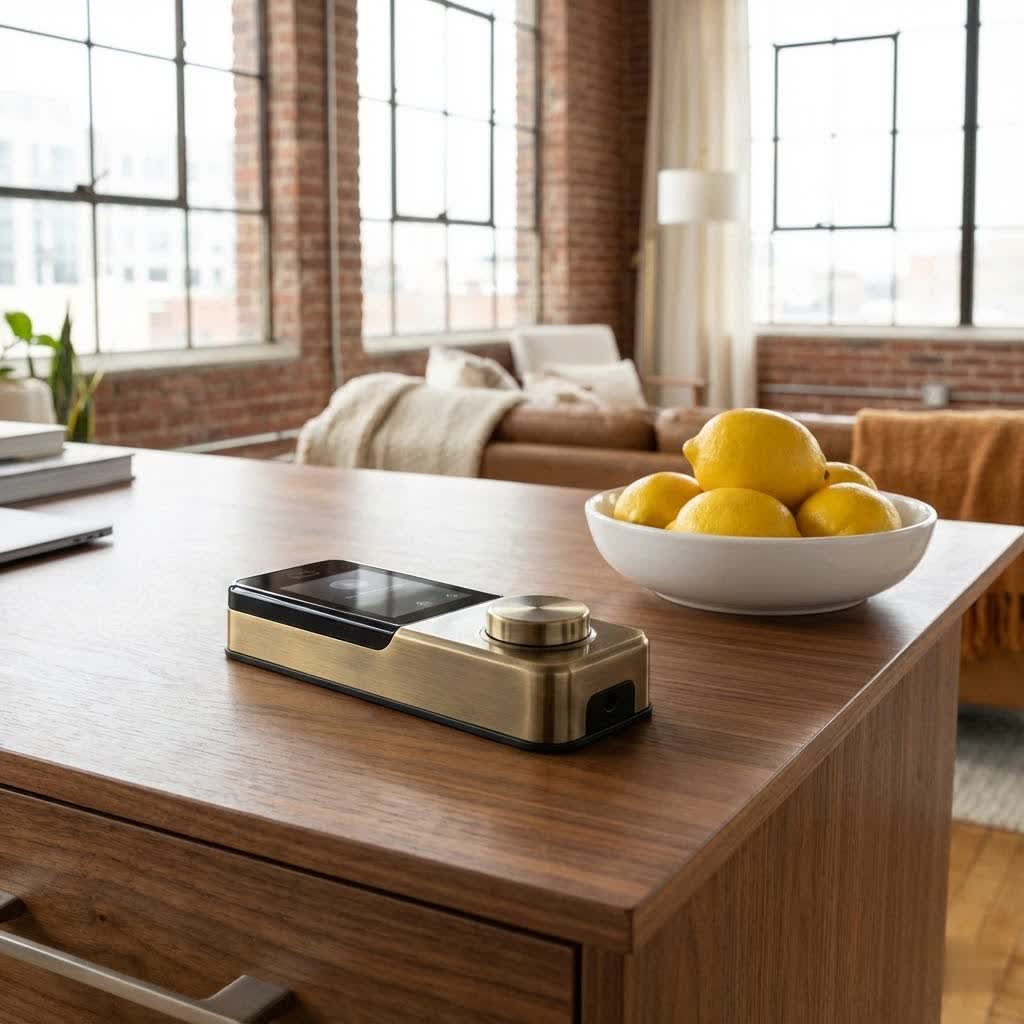
At JTDNC.com, we believe in empowering homeowners with knowledge. With over a decade of hands-on experience in smart lock and home security solutions, I’ve seen these technologies evolve from niche gadgets to essential components of modern living. This guide will delve deep into everything you need to know about smart keyless door locks, helping you confidently choose, install, and maintain the perfect system for your sanctuary.
What Exactly is a Smart Keyless Door Lock?
At its core, a smart keyless door lock is an electronic deadbolt or lever that eliminates the need for a traditional physical key. Instead of metal, these locks use digital authentication methods to grant access, integrating seamlessly into your daily life and often with your broader smart home ecosystem. Think of it as your front door getting a major intelligence upgrade.
How do you get in, then? The beauty lies in the versatility. Common access methods include entering a personalized PIN code on a keypad, scanning your unique fingerprint, using a dedicated smartphone app via Bluetooth or Wi-Fi, tapping an RFID key card or fob, or even, with some advanced models, using voice commands. Many high-quality smart keyless door locks also retain a physical key override as a backup, ensuring you’re never truly locked out. This blend of traditional security with modern convenience is what makes the smart keyless door lock such a compelling upgrade.
The Unlocking Potential: Key Benefits of Smart Keyless Door Locks
The allure of a smart keyless door lock extends far beyond simply ditching your keys. These devices bring a host of advantages that significantly enhance both your daily convenience and overall home security.
Convenience at Your Fingertips
|
Our Picks for the Best Smart Lock in 2026
As an Amazon Associate I earn from qualifying purchases.
|
||
| Num | Product | Action |
|---|---|---|
| 1 | Yale Security Assure Lock 2 Deadbolt, Black Suede Keyed Smart Entry Door Lock with Wi-Fi Connected Keypad for Code Entry and Remote Access, YRD410-WF1-BSP |

|
| 2 | Video Smart Lock S398, 4-in-1 Camera + Video Doorbell + Fingerprint Keyless Door Lock + Indoor Display Monitor, Smart WiFi Deadbolt, App Remote Control, Easy Installation, Chime Included |
|
| 3 | LOCKSTAR® Smart Door Lock • Keyless Entry Deadbolt Door Lock • Multiple Entry Methods – APP • Fingerprint Touch ID • Keypad Code • Card FOB • Traditional Key • Smart Home Devices |
|
| 4 | TEEHO TE001 Keyless Entry Door Lock with Keypad - Smart Deadbolt Lock for Front Door with 2 Keys - Auto Lock - Easy Installation - Satin Nickel |
|
| 5 | Tapo Smart Wi-Fi Deadbolt Door Lock – Keyless Tactile Buttons, Customized Access with in-App Monitoring, Auto-Lock, IP54 Weatherproof, BHMA Grade 3, Compatible with Standard Door Sizes, Tapo DL100 |
|
| 6 | ULTRALOQ U-Bolt Pro WiFi Smart Lock with Door Sensor, 8-in-1 Keyless Entry Door Lock with Fingerprint ID, App Remote Control, Built-in WiFi Keypad Deadbolt, Auto Unlock, IP65 Waterproof, Easy Install |
|
| 7 | Wyze Palm Lock, Smart Door Lock with Palm Vein Recognition, Keyless Entry Smart Locks for Front Door, Keypad, Auto Lock, Dual Battery, Wi-Fi, Works with Alexa & Google, BHMA, IP53, Mechanical Key |
|
| 8 | ULTRALOQ Bolt Smart Lock, Built-in Wi-Fi, Matter Over Thread, Works with Apple Home, Alexa, Google, 7-in-1 Keyless Entry Deadbolt with Fingerprint ID, App, Keypad, Remote Control, 18 Months Battery |
|
| 9 | Smart Door Handle Lock with Keypad: Yamiry Fingerprint Smart Knob - Keyless Entry Digital Lock for Front Door - Deadbolt with APP - Generate Passcode Remotely - DIY Installation |
|
| 10 | 3D Face Recognition Smart Door Lock with Lock Body, Fingerprint/Ic Card/Password/Key Unlocked/Camera and Doorbell/Tuya WiFi App/Night Vision/Door Opening Record/Photo/Anti-Prying Alarm. |
|
Imagine arriving home with arms full of groceries, and your door unlocks automatically as you approach, or a quick fingerprint scan is all it takes to gain entry. This keyless entry capability is a game-changer. No more digging for keys in your bag, no more hiding spare keys under a doormat (a security risk!), and no more worrying about lost or stolen keys. For families, children can enter using their own unique codes, eliminating the need for them to carry physical keys.
Elevated Security Measures
A common misconception is that smart locks are less secure than traditional ones. In reality, a well-chosen smart keyless door lock often provides superior security. They typically feature robust encryption to protect digital communications and offer advanced monitoring capabilities. You can assign unique access codes to family members, guests, or service providers, and crucially, these codes can be time-limited or revoked instantly.
Beyond access control, many smart keyless door locks include activity logs, allowing you to track who entered and exited your home and when. Tamper alerts notify you if someone attempts to force entry or repeatedly enters incorrect codes, giving you real-time peace of mind. Features like auto-locking ensure your door is always secured after a set period, so you never have to second-guess if you remembered to lock up.
“The real power of a smart keyless door lock isn’t just in removing keys, it’s in the intelligent layers of security and convenience it adds,” says John Thompson, Lead Security Architect at JTDNC.com. “It transforms your entryway from a simple barrier into a smart, responsive guardian for your home.”
Seamless Smart Home Integration
One of the most exciting aspects of a smart keyless door lock is its ability to integrate with your existing smart home ecosystem. Whether you use Amazon Alexa, Google Home, Apple HomeKit, or platforms like Z-Wave and Zigbee, your smart lock can become a central part of your automated routines.
Picture this: your smart lock integrates with your smart lights and thermostat. When you unlock your door, the lights in your hallway gently illuminate, and your home adjusts to your preferred temperature. When you leave and lock the door, everything powers down to save energy. This interconnectedness creates a truly intelligent and responsive home environment, simplifying your life and enhancing efficiency.
Control from Anywhere
The ability to control your smart keyless door lock remotely via a smartphone app is a major advantage. Forgot to lock the door on your way to work? A quick tap on your phone solves it. Expecting a delivery or a friend who needs temporary access? Grant them entry from anywhere in the world, then revoke access once they’re done. This remote management capability offers unparalleled control and flexibility, especially for busy individuals, vacation rental owners, or those who travel frequently.
Navigating the Digital Divide: Potential Challenges and Security Considerations
While the benefits of a smart keyless door lock are compelling, it’s essential to approach this technology with a clear understanding of its potential challenges and how to mitigate them. Like any advanced device, smart locks rely on certain conditions to operate optimally.
Power Play: Battery Life and Backup Solutions
Unlike traditional mechanical locks, smart keyless door locks require power, typically from batteries. The lifespan of these batteries varies depending on usage and features, but they will eventually need to be replaced. What happens if the battery dies before you can replace it?
Reputable smart locks are designed with this in mind. They usually provide low-battery alerts well in advance, giving you ample time to swap them out. Furthermore, most quality smart keyless door locks include a physical key override, ensuring you always have an alternative entry method in case of a power failure or unexpected battery depletion. Some models even feature emergency charging ports where you can temporarily power the lock with a standard 9V battery.
The Cyber Shield: Addressing Hacking Risks
The digital nature of a smart keyless door lock means it can theoretically be vulnerable to cyber threats, just like any internet-connected device. However, leading manufacturers invest heavily in robust security protocols to protect against hacking.
Key measures to look for and implement include:
- Strong Encryption: Ensure your smart lock uses advanced encryption for all its communications (Bluetooth, Wi-Fi, Z-Wave).
- Regular Firmware Updates: Always keep your lock’s firmware and its companion mobile app updated. These updates often patch security vulnerabilities.
- Strong Passwords and PINs: Use complex, unique passwords for your smart lock app and avoid easily guessable PIN codes (e.g., “1234” or your birth year).
- Two-Factor Authentication (2FA): If available, enable 2FA for your smart lock app to add an extra layer of security.
- Secure Wi-Fi Network: Ensure your home Wi-Fi network is secured with a strong password (WPA2/WPA3) and that your router’s firmware is up to date. Consider a separate guest network for smart devices if possible.
While no system is 100% hack-proof, these practices significantly reduce risk, making your smart keyless door lock incredibly secure.
Physical Vulnerabilities and Code Protection
Beyond digital threats, physical tampering remains a consideration. A robust smart keyless door lock should be built with durable materials, offering physical resistance against forced entry. Some advanced models include “anti-try” features that temporarily disable the keypad after multiple failed attempts, thwarting brute-force attacks.
Another clever feature is randomized keypads or “wake” gestures before entry. This helps prevent “smudge attacks,” where fingerprints on frequently used digits could give away parts of your code. By keeping keypads clean and utilizing these features, you can significantly enhance your physical security.
Initial Investment and Compatibility
Smart keyless door locks generally have a higher upfront cost than traditional locks. However, many users find the enhanced convenience, security, and smart home integration well worth the investment over time.
Compatibility with your existing door hardware is also crucial. Some smart locks are full replacement units, while others are “retrofit” designs that work with your current deadbolt. Always check the specifications and measure your door’s thickness and backset to ensure a proper fit. While many are DIY-friendly, professional installation is always an option if you’re unsure.
Choosing Your Perfect Smart Keyless Door Lock: A Buyer’s Guide
Selecting the right smart keyless door lock can feel like navigating a maze, but by focusing on a few key areas, you can find the ideal fit for your home and lifestyle.
Connectivity: Wi-Fi, Bluetooth, Z-Wave, or Zigbee?
The way your smart lock communicates directly impacts its functionality:
- Bluetooth: Ideal for close-range control (usually within 30-40 feet) directly from your smartphone. It’s energy-efficient but typically requires you to be near the lock for control.
- Wi-Fi: Offers remote access from anywhere with an internet connection. Some locks have built-in Wi-Fi, while others require a separate bridge or hub. Wi-Fi can consume more battery power.
- Z-Wave & Zigbee: These are mesh networking protocols designed specifically for smart home devices. They offer reliable communication, extend your smart home’s range, and are very energy efficient. They require a compatible smart home hub.
Consider how you want to control your lock and its integration with your existing smart home devices. For full remote control without a hub, Wi-Fi is often preferred, but for broader smart home integration and battery efficiency, Z-Wave or Zigbee might be better.
Access Methods: Which is Right for You?
Think about who needs access and how they’ll prefer to enter:
- Keypad: A universally popular choice, allowing entry with a PIN code. Great for guests or kids.
- Fingerprint/Biometric: Offers lightning-fast, highly secure access. Perfect for personal use and can be very convenient.
- Smartphone App: Provides complete control, remote access, and often detailed activity logs.
- RFID/Key Card: Useful for quick access, often seen in commercial settings but also a good option for family members who prefer not to use a phone or code.
- Traditional Key Override: A must-have backup for emergencies.
Many smart keyless door locks offer multiple access methods, providing flexibility for different situations and users.
Security Features: What to Prioritize
Beyond the basic locking mechanism, look for these advanced security features:
- Tamper Alarms: Alerts you to any attempts to force or damage the lock.
- Auto-Locking: Ensures your door is always secured after a predetermined time.
- Activity Logs: Provides a record of who accessed your door and when.
- Anti-Brute Force Protection: Disables the keypad after too many incorrect PIN attempts.
- Privacy Mode: Temporarily restricts all digital access from the outside.
- Encryption Standards: Look for robust encryption (e.g., AES 128-bit) to protect data.
Installation & Compatibility: DIY or Pro?
Most smart keyless door locks are designed for DIY installation with basic tools like a screwdriver. Manufacturers typically provide clear, step-by-step instructions and online video guides. However, if you’re uncomfortable with hardware installation or if your door requires modifications, don’t hesitate to consult a professional locksmith. Ensure the lock is compatible with your door’s dimensions (bore hole, backset, thickness) before purchasing.
Brand Reputation & Support
Choose a smart keyless door lock from a reputable manufacturer known for its quality, security, and customer support. Look for brands that offer comprehensive warranties and regular software updates. Reading user reviews can also provide valuable insights into real-world performance and reliability.
Design and Aesthetics
A smart lock is also a visible part of your home’s exterior. Consider the design, finish, and material to ensure it complements your door and home’s overall aesthetic. Options range from sleek, minimalist designs to more traditional looks.
Frequently Asked Questions About Smart Keyless Door Locks
Q1: Are smart keyless door locks truly secure against hacking?
A1: Reputable smart keyless door locks are designed with robust encryption and security protocols that make them highly secure. While no internet-connected device is 100% immune, using strong passwords, enabling two-factor authentication, and regularly updating firmware significantly minimizes hacking risks.
Q2: What happens if the battery dies in my smart keyless door lock?
A2: Most quality smart keyless door locks provide low-battery warnings well in advance. Crucially, they almost always include a physical key override, allowing you to unlock your door manually in case the batteries completely run out before you can replace them. Some also have emergency power terminals.
Q3: Can I control my smart keyless door lock when I’m away from home?
A3: Yes, if your smart keyless door lock has Wi-Fi connectivity or is connected to a smart home hub (via Z-Wave or Zigbee), you can typically lock and unlock your door remotely using its companion smartphone app from anywhere with an internet connection.
Q4: Do I need a smart home hub for my smart keyless door lock?
A4: Not always. Some smart keyless door locks have built-in Wi-Fi for direct remote access. Others use Bluetooth for close-range control. However, if you want to integrate your lock with a broader smart home ecosystem using Z-Wave or Zigbee protocols, a compatible smart home hub is usually required.
Q5: How difficult is it to install a smart keyless door lock?
A5: Most smart keyless door locks are designed for straightforward DIY installation, often requiring only a screwdriver and about 30 minutes. Manufacturers provide detailed instructions. If you’re unsure or encounter compatibility issues, a professional locksmith can assist.
Q6: What’s the main difference between Bluetooth and Wi-Fi smart locks?
A6: Bluetooth smart locks offer close-range control from your phone and are generally more battery-efficient. Wi-Fi smart locks provide remote access from anywhere with an internet connection, but may consume more battery power or require a bridge.
Q7: Can smart locks be integrated with other smart home devices?
A7: Absolutely! Many smart keyless door locks can integrate with popular smart home platforms like Amazon Alexa, Google Home, and Apple HomeKit, as well as Z-Wave or Zigbee hubs. This allows for automation, such as turning on lights when the door unlocks, enhancing your smart home experience.
Embrace the Future of Home Security
The smart keyless door lock is more than just a gadget; it’s a fundamental upgrade to your home’s security and convenience. By understanding their features, benefits, and potential considerations, you can confidently choose a device that perfectly aligns with your needs and integrates seamlessly into your smart lifestyle. From effortless keyless entry and robust security monitoring to the unparalleled flexibility of remote access, these locks offer a transformative experience.
Ready to ditch the keys and embrace a smarter, more secure home? Explore the diverse range of smart keyless door locks available and take the leap towards modernizing your entryway. Your peace of mind is just a lock away.
