The very concept of a “key” has been undergoing a quiet revolution for years. From weighty metal objects to sleek digital pulses, our interaction with our home’s first line of defense is changing. For those firmly rooted in the Apple ecosystem, the Homekit Smart Lock represents the pinnacle of this evolution, blending unparalleled convenience with robust security.
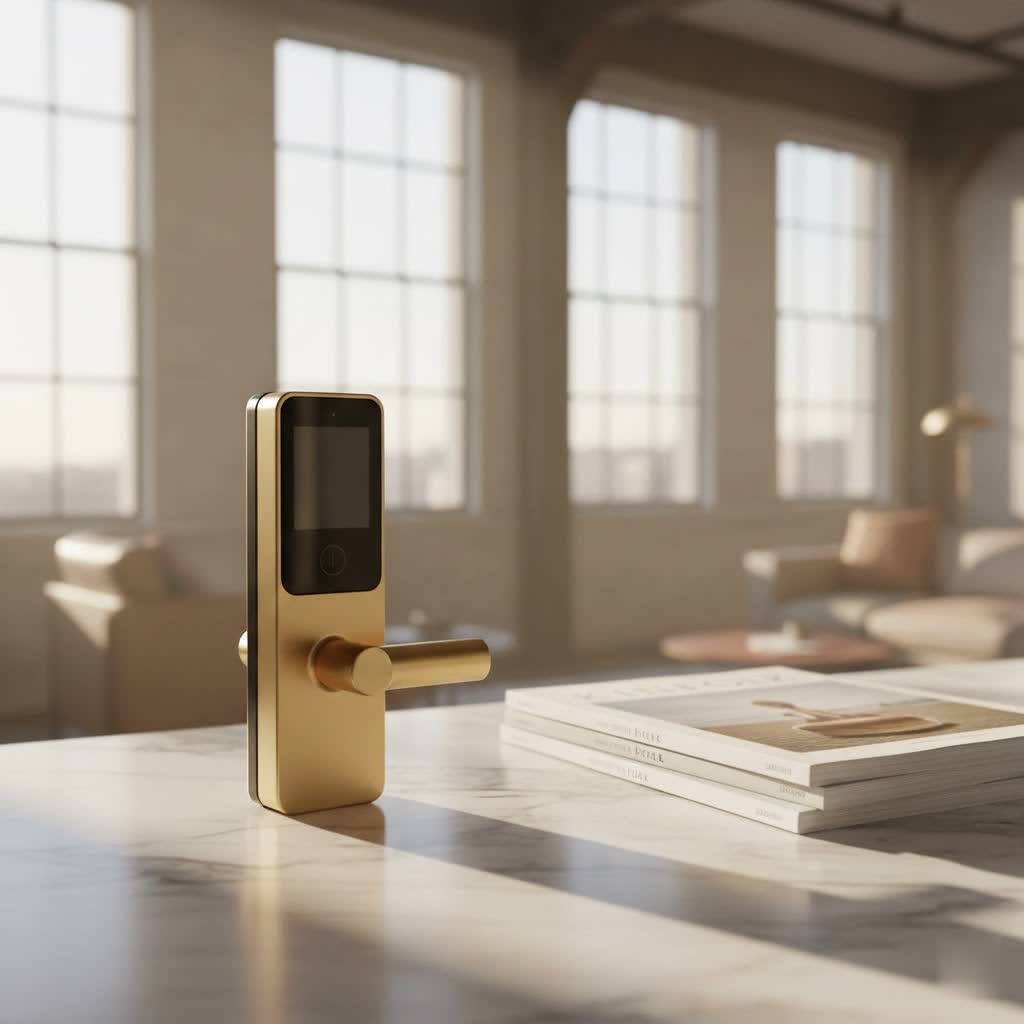
Imagine a world where your iPhone or Apple Watch is your key, where your voice commands your front door, and where you never again second-guess if you locked up before leaving. That’s the promise of a HomeKit Smart Lock, transforming your entryway into a seamlessly integrated, intelligent part of your smart home. But what exactly are these sophisticated devices, and how do they truly elevate your home security experience?
What Exactly is a HomeKit Smart Lock?
At its core, a HomeKit Smart Lock is a door lock that seamlessly integrates with Apple’s HomeKit framework, allowing you to control and monitor your entry points directly through the Apple Home app on your iPhone, iPad, Mac, or even with Siri voice commands. It’s not just about locking and unlocking; it’s about making your door an active, intelligent participant in your overall smart home ecosystem.
For a HomeKit Smart Lock to function optimally, particularly for remote access and advanced automations, you’ll typically need a HomeKit hub. This hub, usually an Apple HomePod (mini included) or an Apple TV 4K, acts as a central brain, providing the necessary bridge for your smart lock to communicate with your Apple devices when you’re away from home. Without a hub, control might be limited to Bluetooth range, which is fine for local use but restricts the full suite of smart features.
The Magic of Apple Home Key: Unlocking Your World
|
Our Picks for the Best Smart Lock in 2026
As an Amazon Associate I earn from qualifying purchases.
|
||
| Num | Product | Action |
|---|---|---|
| 1 | ULTRALOQ U-Bolt Pro WiFi Smart Lock with Door Sensor, 8-in-1 Keyless Entry Door Lock with Fingerprint ID, App Remote Control, Built-in WiFi Keypad Deadbolt, Auto Unlock, IP65 Waterproof, Easy Install |

|
| 2 | Video Smart Lock S398, 4-in-1 Camera + Video Doorbell + Fingerprint Keyless Door Lock + Indoor Display Monitor, Smart WiFi Deadbolt, App Remote Control, Easy Installation, Chime Included |
|
| 3 | Smart Door Handle Lock with Keypad: Yamiry Fingerprint Smart Knob - Keyless Entry Digital Lock for Front Door - Deadbolt with APP - Generate Passcode Remotely - DIY Installation |
|
| 4 | LOCKSTAR® Smart Door Lock • Keyless Entry Deadbolt Door Lock • Multiple Entry Methods – APP • Fingerprint Touch ID • Keypad Code • Card FOB • Traditional Key • Smart Home Devices |
|
| 5 | Tapo Smart Wi-Fi Deadbolt Door Lock – Keyless Tactile Buttons, Customized Access with in-App Monitoring, Auto-Lock, IP54 Weatherproof, BHMA Grade 3, Compatible with Standard Door Sizes, Tapo DL100 |
|
| 6 | TEEHO TE001 Keyless Entry Door Lock with Keypad - Smart Deadbolt Lock for Front Door with 2 Keys - Auto Lock - Easy Installation - Satin Nickel |
|
| 7 | Wyze Palm Lock, Smart Door Lock with Palm Vein Recognition, Keyless Entry Smart Locks for Front Door, Keypad, Auto Lock, Dual Battery, Wi-Fi, Works with Alexa & Google, BHMA, IP53, Mechanical Key |
|
| 8 | 3D Face Recognition Smart Door Lock with Lock Body, Fingerprint/Ic Card/Password/Key Unlocked/Camera and Doorbell/Tuya WiFi App/Night Vision/Door Opening Record/Photo/Anti-Prying Alarm. |
|
| 9 | ULTRALOQ Bolt Smart Lock, Built-in Wi-Fi, Matter Over Thread, Works with Apple Home, Alexa, Google, 7-in-1 Keyless Entry Deadbolt with Fingerprint ID, App, Keypad, Remote Control, 18 Months Battery |
|
| 10 | Yale Security Assure Lock 2 Deadbolt, Black Suede Keyed Smart Entry Door Lock with Wi-Fi Connected Keypad for Code Entry and Remote Access, YRD410-WF1-BSP |
|
One of the most compelling features that sets many modern HomeKit Smart Locks apart is Apple Home Key. This innovative technology allows you to unlock your door simply by tapping your iPhone or Apple Watch against the lock. Think of it like Apple Pay for your front door. What’s truly remarkable is its “Express Mode” capability: even if your iPhone’s battery has died, you can still use it as a key for several hours. This eliminates that sudden panic when your phone is flat and you’re standing on your doorstep.
The convenience is unmatched. No more fumbling for keys in your bag, no more wondering if you remembered your passcode. With Apple Home Key, your most personal devices become your most reliable keys, offering both unparalleled ease of use and an additional layer of digital security. It’s a game-changer for daily routines, making coming and going a truly frictionless experience.
Why Choose a HomeKit Smart Lock for Your Home?
Opting for a HomeKit Smart Lock isn’t just about upgrading your deadbolt; it’s about embracing a smarter, more secure, and infinitely more convenient way of living. From enhanced control to advanced security protocols, these locks offer a compelling package for any homeowner.
Seamless Apple Ecosystem Integration
For anyone deeply invested in Apple products, a HomeKit Smart Lock is a natural extension of their digital lifestyle. You gain a unified control center – the Home app – where you can manage not just your lock, but also your lights, thermostats, cameras, and more. Imagine telling Siri, “Hey Siri, lock the front door,” as you head to bed, or receiving a notification on your Apple Watch the moment your child arrives home from school. This level of integrated control and voice command capability truly streamlines your home management.
Unparalleled Convenience at Your Fingertips
The days of traditional keys are quickly becoming a relic of the past with a HomeKit Smart Lock. Beyond Apple Home Key, these locks typically offer a variety of unlocking methods tailored to your preferences:
- Keyless Entry: Say goodbye to physical keys. Most models feature a keypad for PIN codes, allowing family members, friends, or service providers to gain access without needing a physical key.
- Remote Access: With a HomeKit hub, you can lock or unlock your door from anywhere in the world, giving you complete control even when you’re away. Did the delivery driver need access? No problem.
- Biometric Access: Many advanced HomeKit Smart Locks incorporate fingerprint readers, offering quick and secure entry with just a touch.
- NFC Tags/Cards: Some locks support NFC cards, providing another simple tap-to-unlock option, ideal for housekeepers or those without an iPhone.
- Auto-Locking: Never forget to lock the door again. Many HomeKit locks can be set to automatically lock after a specified period, ensuring your home is always secured.
This array of options means you can customize access for everyone, from permanent residents to temporary guests, all managed effortlessly through your Apple devices.
Enhanced Security & Peace of Mind
At JTDNC, we understand that security is paramount. HomeKit Smart Locks are engineered with multiple layers of protection to keep your home safe. They often feature robust construction, making them resistant to physical tampering. On the digital front, they employ secure encryption protocols, protecting your access data from unauthorized interception.
Beyond the physical hardware, the “smart” aspects contribute significantly to security:
- Activity Logs: Keep a detailed record of who enters and exits your home and when, giving you unprecedented visibility into your door’s activity.
- Tamper Alerts: Receive instant notifications on your iPhone if someone attempts to tamper with your lock, allowing you to react quickly.
- Virtual Keys: Grant temporary or scheduled access codes to guests or service providers, which can be easily revoked, eliminating the risk of lost or copied physical keys.
Future-Proofing with Thread & Matter
The smart home landscape is constantly evolving, and HomeKit Smart Locks are at the forefront with new technologies like Thread and Matter. Thread creates a low-power, self-healing mesh network, offering faster and more reliable communication between your smart devices compared to traditional Wi-Fi or Bluetooth. If one device goes offline, others can still communicate. This means a more responsive and consistent experience for your lock.
Matter, on the other hand, is a new interoperability standard designed to make smart home devices work together seamlessly, regardless of brand. A HomeKit Smart Lock with Matter support ensures broader compatibility with other smart home platforms in the future, increasing its longevity and flexibility within your smart home ecosystem. As Dr. Eleanor Vance, a leading expert in home automation, once remarked, “Thread and Matter aren’t just buzzwords; they’re the foundational pillars for a truly cohesive and resilient smart home experience, ensuring your investment today continues to serve you reliably tomorrow.”
Top Contenders in the HomeKit Smart Lock Arena
The market for HomeKit Smart Locks is vibrant, with several manufacturers offering compelling solutions. While each has its unique strengths, here are a few standouts that our experts at JTDNC frequently recommend:
- Schlage Encode Plus: This lock is consistently praised for its exceptional speed and reliability, especially when utilizing Apple Home Key. It also offers a convenient keypad and a robust build, making it a top choice for a high-traffic main entry. Users appreciate its responsiveness and consistent performance.
- Yale Assure Lock 2: Known for its sleek design and versatile compatibility, the Yale Assure Lock 2 supports multiple smart home platforms, including HomeKit. It offers Apple Home Key functionality and comes in various styles, catering to different aesthetic preferences. It’s an excellent balance of form and function.
- Level Lock+: For those who prefer their smart technology to be discreet, the Level Lock+ is a standout. Its ingenious design hides all the smarts inside your door, making it look like a standard deadbolt from the outside. It also fully supports Apple Home Key, offering smart functionality without altering your home’s exterior aesthetic.
- Aqara U100/U200: These locks provide a feature-rich experience at a more budget-friendly price point. The Aqara U100 includes fingerprint recognition, NFC, PIN codes, and HomeKit compatibility, often with Matter over Thread support for enhanced connectivity. The U200 builds on this with even more advanced features, offering significant value.
When selecting a HomeKit Smart Lock, consider your priorities: is speed of access paramount? Do you value an invisible design? Or are you seeking a balance of features and affordability? Each of these options brings a unique set of benefits to the table.
Installation Made Easy: Setting Up Your HomeKit Smart Lock
Installing a HomeKit Smart Lock might seem daunting, but for most DIY enthusiasts, it’s a straightforward process, similar to replacing a standard deadbolt. Here’s a general overview of what to expect:
- Prepare Your Door: Start by removing your existing deadbolt. A Phillips head screwdriver is usually the only tool you’ll need. Ensure your door frame and boreholes are compatible with the new smart lock, though most are designed to fit standard door preparations.
- Install the New Hardware: Follow the manufacturer’s instructions carefully to install the exterior and interior components of the smart lock, including the latch and strike plate. Pay attention to wire routing if applicable, and avoid over-tightening screws to prevent binding.
- Insert Batteries: Once the mechanical parts are in place, insert the required batteries (typically AA or AAA).
- Manufacturer’s App Setup: Many HomeKit Smart Locks require you to first set them up with their dedicated manufacturer’s app (e.g., Schlage Home, Yale Access, Aqara Home). This step often involves calibrating the lock, setting a master passcode, and performing initial firmware updates.
- Pair with Apple HomeKit: Open your Apple Home app, tap the ‘+’ icon, and select ‘Add Accessory’. You’ll then scan the HomeKit setup code (usually found on the lock, its battery compartment, or in the manual). The Home app will guide you through assigning the lock to a room and configuring initial settings. For locks supporting Apple Home Key, this is where you’ll enable that feature.
- Test Functionality: After setup, test all unlocking methods – manual, keypad, app, Home Key, and Siri – to ensure everything is working smoothly.
Remember, a stable Wi-Fi network and a HomeKit hub (like a HomePod mini) within Bluetooth range are crucial for optimal performance, especially for remote access and Thread connectivity.
Optimizing Your HomeKit Smart Lock Experience
A HomeKit Smart Lock offers much more than just a smart way to lock your door. By leveraging its full potential within the Apple Home ecosystem, you can create a truly intelligent and responsive home.
Unleash the Power of Automations
This is where HomeKit truly shines. Automations allow your smart lock to interact with other HomeKit devices, creating seamless routines:
- “Good Night” Scene: When you activate a “Good Night” scene, your HomeKit Smart Lock can automatically secure your front door, dim your lights, and adjust the thermostat, all with a single command or schedule.
- Arrival/Departure: Use geo-fencing to automatically unlock your door as you approach home and lock it behind you as you leave. Combine this with lights turning on or off to truly feel like magic.
- Security Triggers: If a HomeKit-compatible motion sensor detects activity near your door at an unusual time, your lock can automatically send you a notification or even trigger other security actions, like turning on exterior lights.
Smart Guest Access Management
Gone are the days of hiding spare keys under a doormat. With a HomeKit Smart Lock, you can effortlessly manage access for family, friends, pet sitters, or contractors:
- Temporary Passcodes: Create unique PIN codes that are only valid for specific dates and times, perfect for short-term guests.
- Scheduled Access: Grant access to a cleaner every Tuesday morning between 10 AM and 1 PM. The code will only work during those hours.
- Share Home Access: For family members, you can invite them to your Apple Home, giving them full control of the lock via their own Apple devices and Home Key.
All these options can be managed directly from the Home app or the manufacturer’s app, giving you ultimate control and visibility.
Proactive Battery Management
While modern HomeKit Smart Locks are designed for efficiency, they still rely on batteries. Good management ensures uninterrupted security:
- Monitor Battery Levels: The Home app will typically notify you when your lock’s battery is running low, giving you ample time to replace them.
- Quality Batteries: Invest in high-quality alkaline or lithium batteries for optimal performance and lifespan.
- Connectivity Impact: Be aware that using Wi-Fi for communication (if your lock supports it directly without Thread) can drain batteries faster than Bluetooth or Thread. If possible, leverage Thread for better efficiency.
Regularly checking battery status and having spare batteries on hand is a small but crucial step in maintaining your smart lock’s reliability.
Stay Updated with Firmware
Like all smart devices, your HomeKit Smart Lock benefits from regular firmware updates. These updates often bring:
- Enhanced Security Features: Patches for vulnerabilities or improvements to encryption.
- Performance Improvements: Better battery life, faster response times, or improved connectivity.
- New Features: Sometimes, updates introduce entirely new functionalities or HomeKit integrations.
Always ensure your lock’s firmware is up to date, usually through the manufacturer’s app. This keeps your lock secure, efficient, and running with the latest capabilities.
Common HomeKit Smart Lock Issues & Troubleshooting
Even the most advanced technology can encounter a hiccup or two. As experts at JTDNC, we’ve compiled solutions for common issues you might face with your HomeKit Smart Lock.
“No Response” Errors in the Home App
This is a frequently reported issue where your lock appears as “No Response” in the Home app.
- Check Batteries: The simplest fix is often the correct one. Ensure your lock’s batteries are not dead or critically low. Replace them if necessary.
- Bluetooth Range: If you’re relying solely on Bluetooth, ensure your iPhone or a HomeKit hub is within close proximity (typically 20-30 feet) of the lock.
- HomeKit Hub Connectivity: Verify that your HomeKit hub (HomePod, Apple TV) is online, powered on, and connected to your Wi-Fi network. Sometimes a simple restart of the hub can resolve the issue.
- Wi-Fi Stability: A weak or unstable Wi-Fi signal can affect connectivity. Ensure your Wi-Fi network is robust and that the lock is within a good signal range, especially if it connects directly via Wi-Fi or uses a hub.
- Re-Pair HomeKit: As a last resort, try removing the lock from the Home app and then re-adding it. Follow the manufacturer’s app setup first, then re-integrate with HomeKit.
Activity Feed Not Updating
If your lock’s activity log isn’t updating in the Home app, but manual operations still work:
- HomeKit Hub Connection: This often indicates an issue with your HomeKit hub’s connection to the internet or its proximity to the lock. The hub is responsible for pushing remote activity updates.
- Manufacturer’s Bridge: Some locks use their own Wi-Fi bridges (e.g., August Connect for older August locks) to maintain a constant connection. Ensure this bridge is online and functioning.
Setup Errors (e.g., Error Code 4097)
Setup errors can occur if the pairing process isn’t completed correctly.
- Follow Order: Always ensure you set up the lock in the manufacturer’s app first before attempting to add it to Apple HomeKit.
- Restart Devices: Power cycle your iPhone/iPad, your HomeKit hub, and even the smart lock itself (by temporarily removing and re-inserting batteries).
- Firmware: Ensure the lock’s firmware is fully updated via its native app before attempting HomeKit pairing.
- Reset and Retry: If persistent, perform a factory reset on the smart lock (consult your manual for specific steps) and then go through the entire setup process again.
By systematically going through these steps, you can resolve most common HomeKit Smart Lock issues and get back to enjoying seamless smart home security.
JTDNC Expert Insights: What We Recommend
At JTDNC, with over a decade of practical experience in smart home security, we firmly believe that a HomeKit Smart Lock is an invaluable upgrade for any Apple-centric household. The blend of convenience, advanced security, and seamless integration offered by these devices truly elevates the concept of home access.
When making your choice, consider your specific needs: if cutting-edge speed and Apple Home Key are paramount, models like the Schlage Encode Plus are exceptional. If design aesthetic and invisibility are your priority, the Level Lock+ is a brilliant choice. For those seeking a balance of features on a tighter budget, Aqara offers impressive value.
Regardless of your selection, remember that the true power of your HomeKit Smart Lock lies in how you integrate it into your daily life through automations and thoughtful access management. It’s about creating a home that responds to you, effortlessly enhancing your security and peace of mind.
Frequently Asked Questions (FAQ)
Do I need an Apple HomePod or Apple TV for my HomeKit Smart Lock?
Yes, for remote access and to enable advanced features like automations and Thread connectivity, you will need a HomeKit hub such as an Apple HomePod (any model) or an Apple TV 4K. Without a hub, control might be limited to Bluetooth range.
Can I use a HomeKit Smart Lock with Android devices?
While HomeKit Smart Locks are primarily designed for the Apple ecosystem, many manufacturers also offer their own dedicated apps that might be available on Android. This allows for basic control, but you won’t get the full HomeKit integration, Siri voice commands, or Apple Home Key functionality.
How secure are HomeKit Smart Locks?
HomeKit Smart Locks are highly secure. They employ robust physical construction, advanced encryption for digital communication, and features like activity logs and tamper alerts. Apple’s HomeKit platform also has strong security and privacy standards. Always ensure the lock’s firmware is up to date for the latest security patches.
What happens if the battery dies?
Most HomeKit Smart Locks have multiple backup options. They will typically notify you well in advance of low battery levels. Many also include a physical key override, a port for a 9V battery jump start, or other manual methods to ensure you’re never locked out.
Can I give temporary access to guests?
Absolutely! This is one of the key benefits. Through the manufacturer’s app or the Apple Home app (depending on the lock), you can generate temporary PIN codes valid for specific dates and times, or share limited Home access with guests for a set period.
Is installation difficult for a DIYer?
For most standard deadbolt replacements, installation is straightforward and can typically be completed in 15-30 minutes with basic tools like a Phillips head screwdriver. Retrofit locks can be even simpler. However, always follow the manufacturer’s instructions, and if you’re unsure, consulting a professional locksmith is always a good idea.
Conclusion
The HomeKit Smart Lock is more than just a gadget; it’s a cornerstone of modern smart home security, offering a blend of security, convenience, and seamless integration that redefines how we interact with our homes. From the intuitive tap of Apple Home Key to the proactive insights of activity logs, these devices empower you with control and peace of mind. Embrace the future of home security and unlock a smarter, safer way to live with a HomeKit Smart Lock, optimized for your Apple-powered world.
