Stepping into the world of smart home security often begins at your front door, and for many, the Nest Smart Lock represents a pinnacle of modern convenience and robust protection. As a leading expert at JTDNC.com with a decade of hands-on experience in smart locks and home security, I’ve seen firsthand how these devices transform everyday living. If you’re looking to upgrade your home’s entry system, understanding the ins and outs of the Nest smart lock, specifically the Nest x Yale Lock, is essential for making an informed decision that truly enhances your peace of mind.
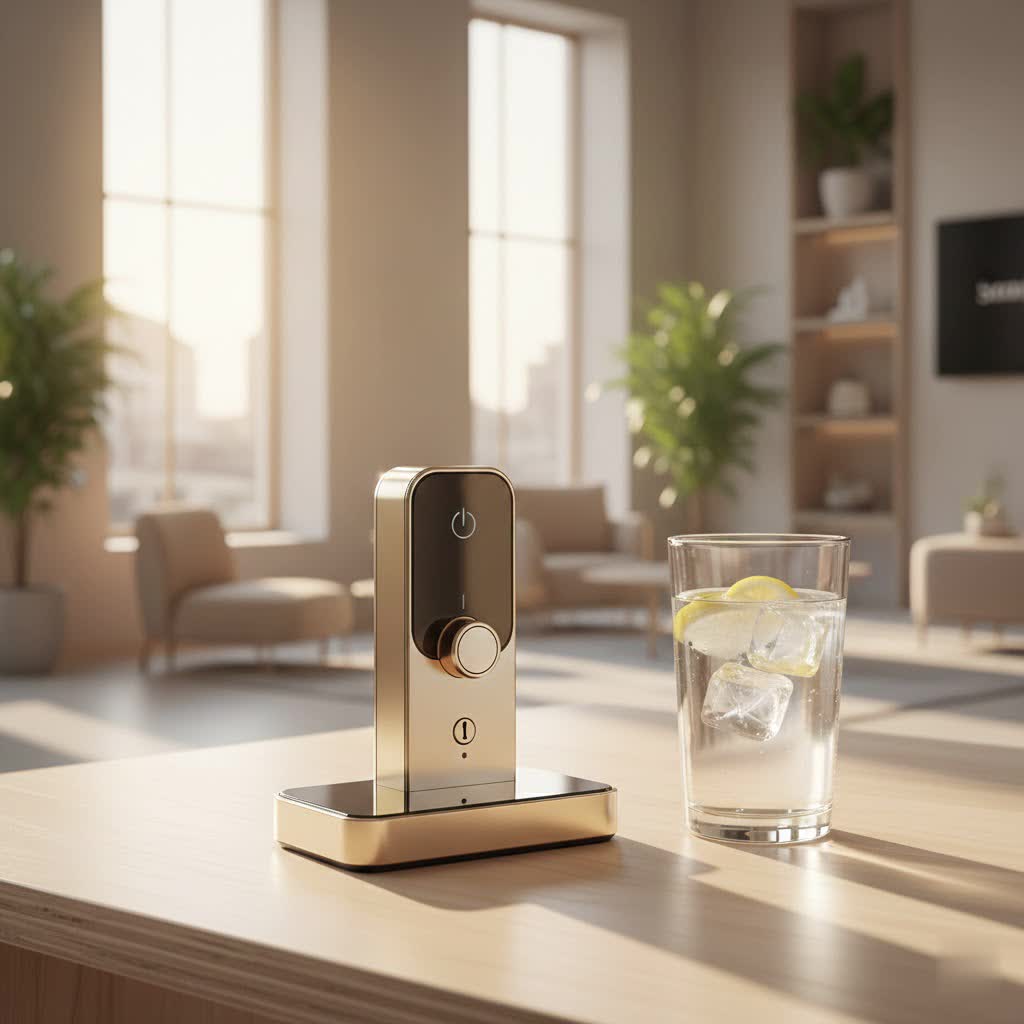
What Exactly is a Nest Smart Lock?
At its core, the Nest smart lock refers to the Nest x Yale Lock – a collaborative effort between Google’s Nest (now Google Home) and Yale, a long-standing titan in the lock industry. This partnership brings together Yale’s hardware expertise with Nest’s intuitive software and smart home ecosystem. Unlike traditional locks, the Nest x Yale Lock is a key-free smart deadbolt designed to integrate seamlessly into a connected home, offering unparalleled control and visibility over who enters and exits your property. It’s more than just a lock; it’s a vital component of a comprehensive smart security strategy, allowing you to ditch physical keys for good and embrace a truly digital access experience.
Key Features That Make Life Easier (and Safer)
The Nest x Yale Lock isn’t just about keyless entry; it’s packed with features designed to simplify access management and bolster your home’s security posture.
Key-Free Convenience: The End of Lost Keys
|
Our Picks for the Best Smart Lock in 2026
As an Amazon Associate I earn from qualifying purchases.
|
||
| Num | Product | Action |
|---|---|---|
| 1 | Video Smart Lock S398, 4-in-1 Camera + Video Doorbell + Fingerprint Keyless Door Lock + Indoor Display Monitor, Smart WiFi Deadbolt, App Remote Control, Easy Installation, Chime Included |

|
| 2 | TEEHO TE001 Keyless Entry Door Lock with Keypad - Smart Deadbolt Lock for Front Door with 2 Keys - Auto Lock - Easy Installation - Satin Nickel |
|
| 3 | Wyze Palm Lock, Smart Door Lock with Palm Vein Recognition, Keyless Entry Smart Locks for Front Door, Keypad, Auto Lock, Dual Battery, Wi-Fi, Works with Alexa & Google, BHMA, IP53, Mechanical Key |
|
| 4 | Smart Door Handle Lock with Keypad: Yamiry Fingerprint Smart Knob - Keyless Entry Digital Lock for Front Door - Deadbolt with APP - Generate Passcode Remotely - DIY Installation |
|
| 5 | ULTRALOQ U-Bolt Pro WiFi Smart Lock with Door Sensor, 8-in-1 Keyless Entry Door Lock with Fingerprint ID, App Remote Control, Built-in WiFi Keypad Deadbolt, Auto Unlock, IP65 Waterproof, Easy Install |
|
| 6 | Tapo Smart Wi-Fi Deadbolt Door Lock – Keyless Tactile Buttons, Customized Access with in-App Monitoring, Auto-Lock, IP54 Weatherproof, BHMA Grade 3, Compatible with Standard Door Sizes, Tapo DL100 |
|
| 7 | ULTRALOQ Bolt Smart Lock, Built-in Wi-Fi, Matter Over Thread, Works with Apple Home, Alexa, Google, 7-in-1 Keyless Entry Deadbolt with Fingerprint ID, App, Keypad, Remote Control, 18 Months Battery |
|
| 8 | Yale Security Assure Lock 2 Deadbolt, Black Suede Keyed Smart Entry Door Lock with Wi-Fi Connected Keypad for Code Entry and Remote Access, YRD410-WF1-BSP |
|
| 9 | 3D Face Recognition Smart Door Lock with Lock Body, Fingerprint/Ic Card/Password/Key Unlocked/Camera and Doorbell/Tuya WiFi App/Night Vision/Door Opening Record/Photo/Anti-Prying Alarm. |
|
| 10 | LOCKSTAR® Smart Door Lock • Keyless Entry Deadbolt Door Lock • Multiple Entry Methods – APP • Fingerprint Touch ID • Keypad Code • Card FOB • Traditional Key • Smart Home Devices |
|
“What if I forget my keys?” is a question of the past. With the Nest x Yale Lock, you use a secure keypad to enter a unique 4- to 8-digit passcode. This key-free design not only eliminates the hassle of carrying keys but also the security risk associated with lost or stolen ones. For quick exits, a simple tap on the Yale logo on the keypad activates “One Touch Locking,” securing your door without needing to enter a code.
Remote Access and Control: Your Door, Anywhere You Are
Imagine letting a family member in when you’re stuck in traffic, or checking if you remembered to lock up after rushing out for an appointment. The Nest x Yale Lock, when connected to the Nest (or Google Home) app via a Nest Connect, allows you to lock and unlock your door from virtually anywhere using your smartphone. This remote capability is a game-changer for busy households and frequent travelers, providing flexibility and control even when you’re miles away.
Custom Passcodes and Schedules: Tailored Access for Everyone
One of the standout features of the Nest smart lock is its ability to create and manage multiple passcodes. You can generate unique codes for family members, trusted friends, pet sitters, or service providers. Beyond just creating codes, you can also set specific schedules for each, ensuring that certain individuals can only access your home during predefined times. This level of granular control is invaluable for managing temporary access without compromising overall security.
Smart Automation: Locks That Think For Themselves
The Nest x Yale Lock truly shines with its intelligent automation capabilities. With “Auto-Lock,” you can set your door to automatically lock itself after a configurable period (e.g., 10 seconds, 1 minute, or 5 minutes) once it’s been unlocked. Furthermore, if you integrate it with Nest’s “Home/Away Assist” feature, the lock can detect when everyone has left the house and automatically secure the door, removing that nagging worry about whether you locked up.
Real-Time Alerts and Activity History: Always in the Know
Security is also about awareness. The Nest smart lock keeps you informed with real-time notifications sent directly to your phone. You’ll receive alerts when someone locks or unlocks the door, when multiple incorrect passcodes are entered (indicating a potential tampering attempt), or when the batteries are running low. The app also maintains a comprehensive activity history, allowing you to review who entered and exited your home, and at what time.
Robust Security: Built to Withstand, Designed to Protect
Beyond its smart features, the Nest x Yale Lock is fundamentally a secure deadbolt. It’s built with Yale’s traditional security expertise, incorporating a tamper-proof design. The key-free nature means there’s no keyhole to pick or bump, enhancing its physical security. If anyone attempts to tamper with the lock, you’ll receive an immediate alert, giving you precious time to react.
Seamless Integration: The Nest Ecosystem Advantage
The true power of the Nest smart lock is unlocked when it operates within the broader Nest and Google Home ecosystem. This integration creates a cohesive security and automation experience.
The Nest x Yale Lock connects to your home Wi-Fi indirectly, through a device called Nest Connect. This small hub acts as a bridge, allowing your lock to communicate with the Nest app and other Google Nest devices over the internet. Without the Nest Connect (or previously, a Nest Guard, which is being phased out for this purpose), remote features would not be possible. Placing your Nest Connect strategically, within good range of both your Wi-Fi router and the lock, is crucial for reliable connectivity.
One of the most appreciated aspects of this integration is voice control with Google Assistant. Once set up, you can simply say, “Hey Google, lock the front door” or “Hey Google, is the back door locked?” to manage your security hands-free. This convenience is particularly useful when your hands are full or when you’re simply relaxing on the couch.
Furthermore, the Nest x Yale Lock can synergize with other Nest devices. For instance, it can work with Nest cameras to give you a visual of who is at your door when the lock is accessed, or with your Nest Secure alarm system (if you have one) to disarm it when the lock is unlocked. This interconnectedness creates a more intelligent and responsive home security system.
However, it’s important to note the limitations with other smart home platforms. The Nest x Yale Lock is primarily designed to work within the Google Nest ecosystem. Unlike some other smart locks, it generally does not integrate well with third-party hubs or protocols like ZigBee, Z-Wave, or Apple HomeKit. If your smart home is built around a different ecosystem, this might be a significant consideration, as you would largely control the lock exclusively through the Nest or Google Home app.
Installation Made Simple: A Step-by-Step Overview
Installing a Nest smart lock is a surprisingly straightforward DIY project for most homeowners, especially if you’re replacing an existing deadbolt. However, a little preparation goes a long way.
Before you begin, perform pre-installation checks to ensure your door is compatible. This involves verifying door thickness and the diameter of existing boreholes for the deadbolt. Most standard wood, metal, and fiberglass doors within certain specifications will work. Yale and Nest often provide detailed guides and even apps like Bilt to walk you through these measurements.
The basic installation process involves removing your old deadbolt, installing the new strike plate and latch, followed by the exterior keypad, and then the interior mounting plate and lock assembly. Throughout this process, carefully routing the cable that connects the exterior keypad to the interior unit is key. Once the physical lock is installed, you insert the batteries, and the lock will calibrate itself.
The next critical step is connecting to the Nest App and Nest Connect. You’ll download the Nest or Google Home app, scan a QR code usually found in the battery compartment of the lock, and follow the in-app instructions to pair it with your Nest Connect. Ensure your Nest Connect is plugged in and within a reasonable range of the lock and your Wi-Fi router for optimal performance.
While many find the DIY installation manageable, if you encounter any difficulties, or if your door requires modifications, it’s always wise to call a Pro. Licensed smart home experts can ensure a secure and flawless installation, saving you time and potential headaches.
Maintaining Your Nest Smart Lock: Tips for Optimal Performance
Like any sophisticated electronic device, your Nest smart lock benefits from a bit of care to ensure it performs reliably year after year.
Battery management is paramount, as the Nest x Yale Lock is entirely battery-powered. It uses four standard AA alkaline batteries, which typically last about a year, depending on usage. The Nest app will send you low battery alerts well in advance, and the lock itself will provide visual and audible warnings. Crucially, if the batteries completely die, the lock features terminals on the bottom where you can touch a standard 9V battery to temporarily power it, allowing you to enter your passcode and regain access. Always use high-quality, non-rechargeable alkaline batteries for the best performance.
Regular checks for deadbolt alignment are also important. Over time, doors can shift, causing friction or misalignment that might hinder the deadbolt’s smooth operation. If you notice any sticking or resistance when manually turning the deadbolt from the inside, it might be time to check the strike plate and ensure the bolt extends fully without obstruction. Lubricating the deadbolt mechanism with graphite lubricant can also help maintain smooth movement.
Finally, keeping software updated is vital for security and functionality. Ensure your Nest (or Google Home) app is always the latest version, and allow your Nest Connect and Nest x Yale Lock to receive firmware updates as prompted. These updates often include security patches, performance improvements, and new features.
Troubleshooting Common Nest Smart Lock Issues
Even the most reliable smart devices can sometimes hit a snag. Knowing how to troubleshoot common issues with your Nest smart lock can save you frustration.
Connectivity problems are among the most frequent concerns. If your lock appears offline in the Nest app, check your home Wi-Fi network first. Then, examine the placement of your Nest Connect – is it too far from the lock or your router? Thick walls, large appliances, or other electronics can interfere with the signal. Restarting your Nest Connect or Wi-Fi router can often resolve temporary glitches.
If you experience locking or unlocking glitches, manually test the deadbolt with the door open and closed. If there’s any resistance, the deadbolt might be misaligned with the strike plate or the bore hole. In some cases, a factory reset followed by re-handing the lock (a calibration process) might be necessary.
A keypad unresponsiveness issue often points to low or dead batteries. Check the battery status in the app and replace them if needed. If the keypad is disabled due to multiple incorrect passcode attempts, simply wait for the lockout period (usually 90 seconds) to expire.
What to do if your Wi-Fi changes (e.g., new router or internet service provider) can be particularly challenging. You might need to re-establish the connection for your Nest Connect and then re-pair your Nest x Yale Lock with the Nest app, which might involve a full reset of the lock in some cases. It’s often helpful to put your phone in airplane mode with Wi-Fi and Bluetooth on when trying to reconnect, and ensure the Nest Connect is properly established before attempting to connect the lock itself.
Is the Nest Smart Lock Right for Your Home? (Pros & Cons)
Deciding on the perfect smart lock involves weighing its advantages against any potential drawbacks for your specific situation.
Pros:
- Unmatched Convenience: Key-free entry and remote control from anywhere are huge time-savers.
- Robust Security: Yale’s hardware expertise combined with Nest’s smart alerts creates a secure barrier.
- Seamless Nest Ecosystem Synergy: If you already own Nest cameras, thermostats, or use Google Assistant, this lock integrates beautifully.
- Sleek Design: The minimalist keypad and various finish options blend well with most home aesthetics.
- Comprehensive User Management: Easily create, modify, and schedule passcodes for various users.
Cons:
- Price Point: The Nest x Yale Lock is generally on the higher end of the smart lock market.
- Ecosystem Lock-in: Its tight integration with Google Nest means limited compatibility with other smart home platforms, which can be a drawback if you use different systems.
- No Physical Key Override: While this enhances security against picking, it means relying on batteries or the 9V emergency power, which some users might find less reassuring than a traditional key backup.
- Requires Nest Connect: This extra device is necessary for remote functionality and adds to the overall setup.
- Potential Connectivity Quirks: While generally reliable, some users occasionally report issues with Nest Connect range or Wi-Fi interference.
“The Nest x Yale Lock offers a fantastic blend of security and convenience for homeowners deeply embedded in the Google ecosystem,” states Eleanor Vance, Senior Security Analyst at JTDNC. “Its intuitive app control and key-free design redefine modern access, though ensuring a robust Wi-Fi connection for the Nest Connect is crucial for unlocking its full potential.”
Frequently Asked Questions (FAQ)
Does the Nest x Yale Lock use a traditional key?
No, the Nest x Yale Lock is a completely key-free deadbolt. It relies on passcodes entered on the keypad, remote control via the Nest/Google Home app, or a 9V battery for emergency power if the internal batteries die.
How long do the batteries typically last in a Nest smart lock?
The four AA alkaline batteries typically last about one year under normal usage. The Nest app will provide alerts when the battery level is low, giving you ample time to replace them.
Can I control my Nest x Yale Lock with Amazon Alexa?
The Nest x Yale Lock is primarily designed to integrate with the Google Nest and Google Home ecosystem, including Google Assistant for voice control. It does not natively support Amazon Alexa.
What happens if my Wi-Fi goes down or there’s a power outage?
If your Wi-Fi is down, you won’t be able to control the lock remotely via the app or Google Assistant. However, you can still use the keypad with your personal passcodes to lock and unlock the door manually. If power goes out and the batteries die, you can use a 9V battery on the terminals at the bottom of the lock for emergency access.
Do I need a Nest Connect to use the Nest smart lock?
Yes, a Nest Connect is required for the Nest x Yale Lock to connect to your home’s Wi-Fi and enable remote access, app control, and integration with other Nest features like Home/Away Assist.
Conclusion
The Nest smart lock, particularly the Nest x Yale Lock, stands as a formidable choice for modern home security, blending Yale’s trusted hardware with Google’s intelligent software. Its key-free convenience, remote control capabilities, customizable access, and seamless integration within the Google Nest ecosystem offer a level of security and ease that traditional locks simply cannot match. While it’s an investment and best suited for homes already invested in the Nest world, the tangible benefits of enhanced control, real-time alerts, and automated security provide invaluable peace of mind. Upgrading to a Nest smart lock is more than just a purchase; it’s a step towards a smarter, safer, and more connected home, allowing you to confidently manage your domain from anywhere.
